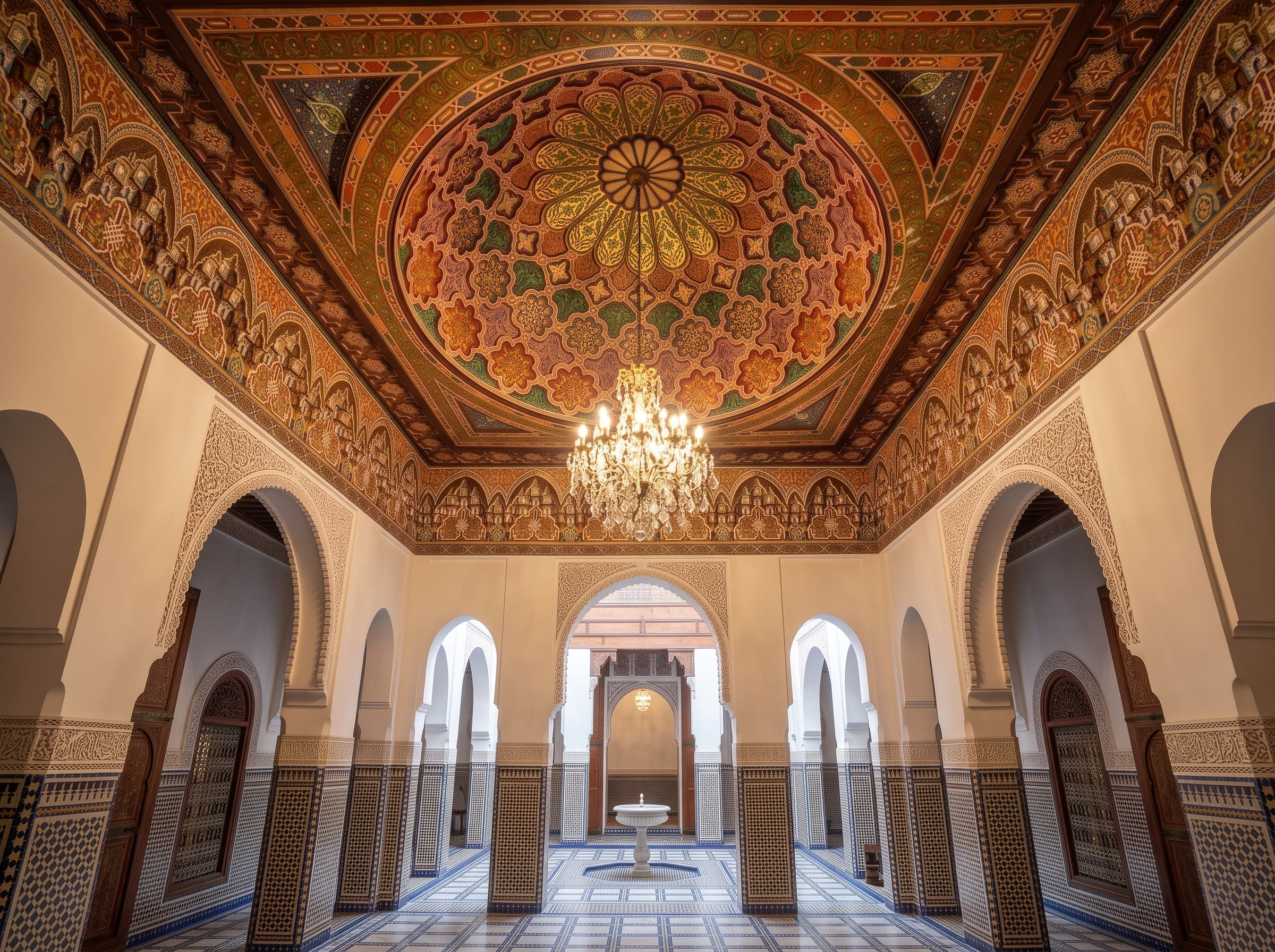
01 / Atelier Art de Fès — Morocco
Architectural Woodwork Shaped by Fes Master Artisans
Atlas cedar, thuya, and walnut — hand-shaped for interiors that outlast trends.
250+
Bespoke projects delivered
Master Maâlems of the Fes Medina
98%
Client recommendation rate
Kiln-dried Atlas cedar prepared for export
20+
Années de leadership artisanal
Hand-pegged mortise-and-tenon assemblies
18+ Countries
International delivery
Numbered, insured, custom-built crates
Featured Completed Works
A selection of finished works — materials, joinery, and quiet presence for residential and hospitality spaces.
TABLE
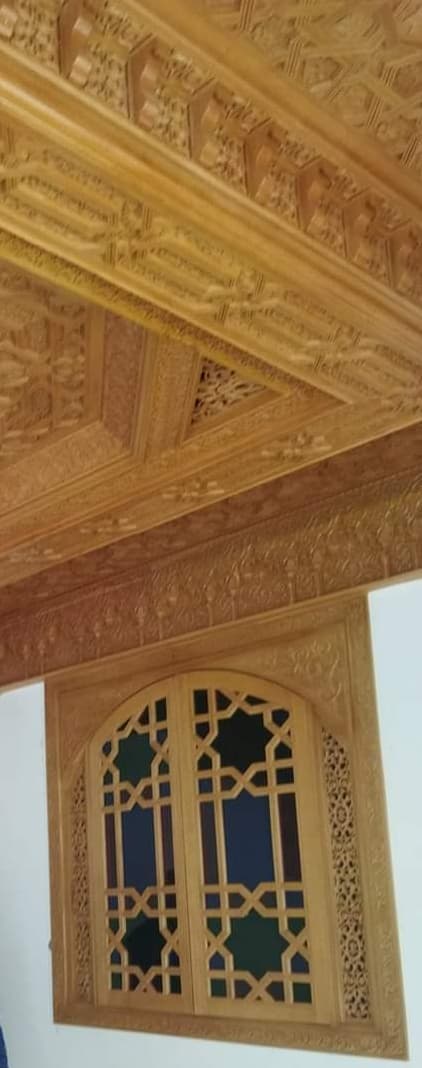
Handcrafted Cedar Wood Arched Niche Window with Geometric Stained Glass and Monumental Carved Cedar Ceiling
Fes, Morocco
TABLE
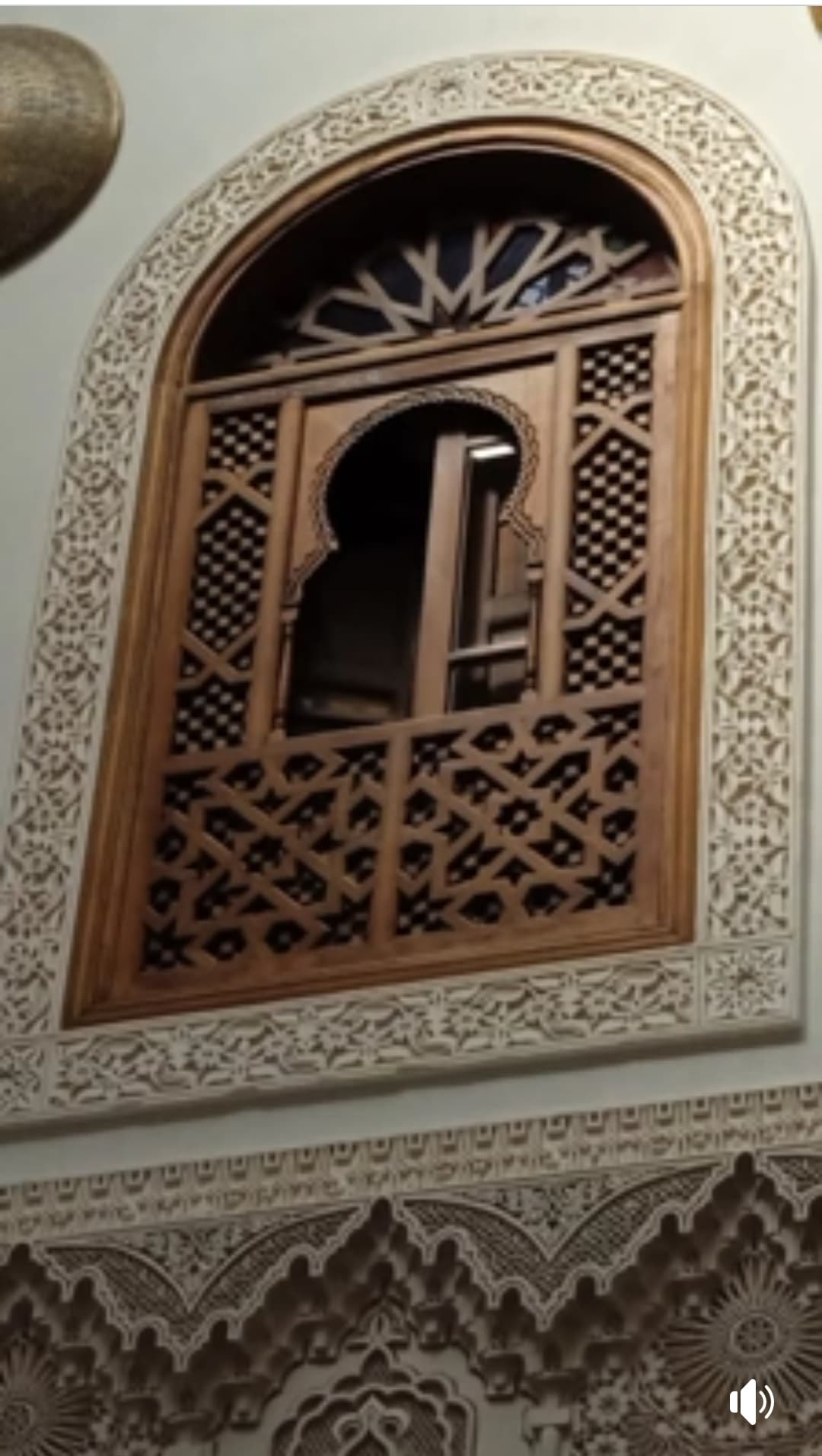
Handcrafted Cedar Wood Arched Gallery Window with Geometric Mashrabiya Screens and Carved Stucco Frame
Fes, Morocco
TABLE
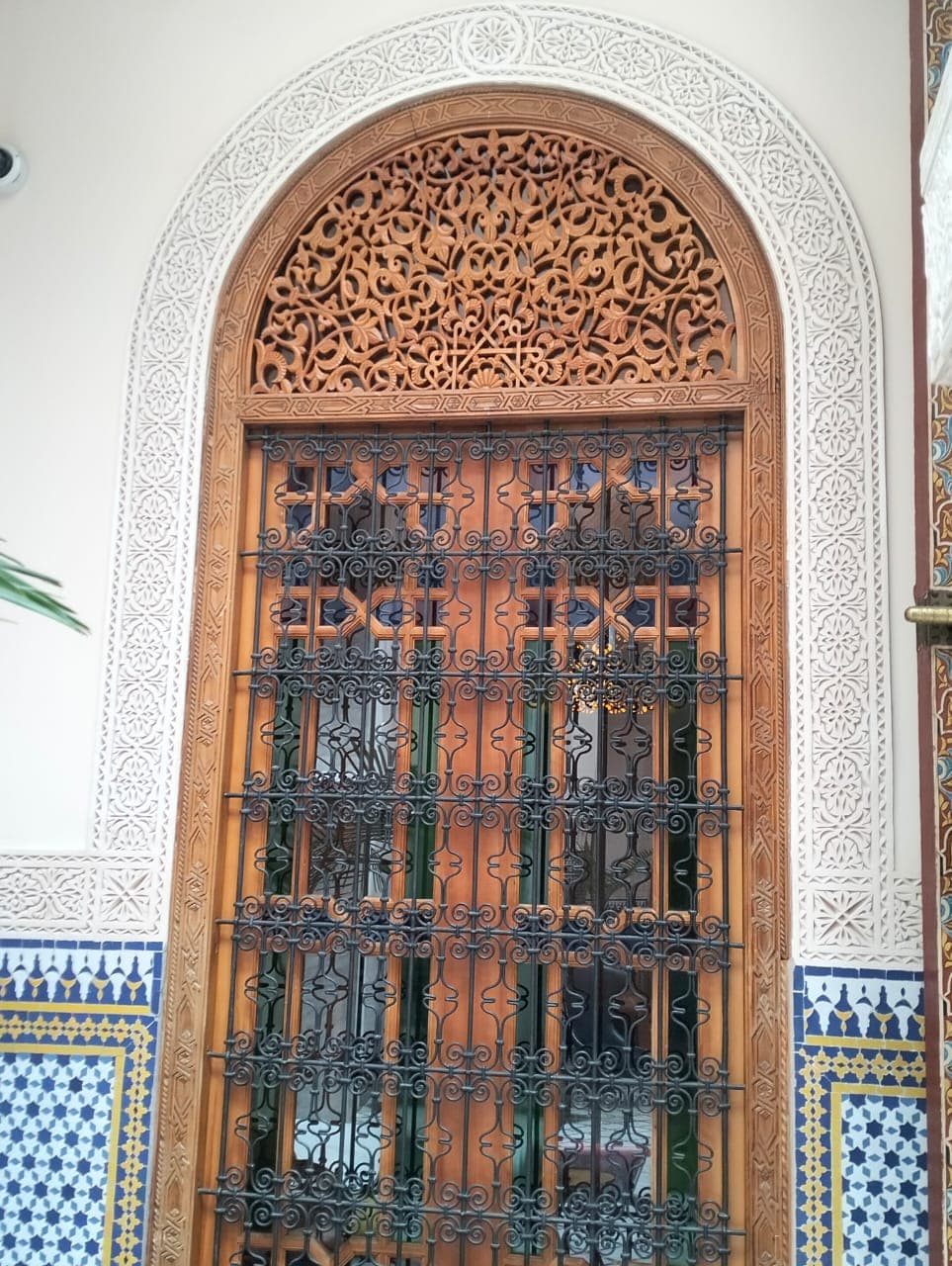
Handcrafted Cedar Wood Arched Portal Window with Openwork Arabesque Tympanum, Wrought Iron Grille, and Carved Plaster Arch
Fes, Morocco
03 / SAVOIR-FAIRE
Three Disciplines of Fes Architectural Joinery
In the medina ateliers of Fès, timber is seasoned, joined, and finished by hand — methods refined across generations of Moroccan master joiners.
Seasoned Atlas Timber
Slow-cured Middle Atlas cedar and aromatic Essaouira thuya burl selected for structural stability and natural resin resistance.
Pegged Mortise & Hasba Joinery
Traditional interlocking joinery and hand-cut geometric mashrabiya latticework assembled without exposed metal fasteners.
Hand-Rubbed Beeswax Patina
Natural Moroccan beeswax and cold-pressed oil finishes that deepen in warmth over decades of daily use.
04 / LINEAGE
A Living Lineage in Fes Woodwork
Art de Fès Atelier, Fes Medina
Art de Fès continues a medina tradition where timber, geometry, and patience meet. In the lanes around the Qarawiyyin and the old craft guilds, Maâlem masters still mark boards by eye, cut joinery by hand, and teach apprentices the slow grammar of Atlas cedar, walnut, and thuya. Our atelier does not imitate that lineage for décor’s sake — we work inside it, ordering pieces that belong in contemporary rooms without discarding the cultural weight of mashrabiya screens, carved ceilings, painted Zouaq planes, and majlis seating shaped for gathering.
Architectural craftsmanship here means more than surface ornament. A gallery window, a lattice screen, a Zouaq panel, or a dining table begins with kiln-dried stock chosen for grain, moisture content, and climate stability, then proceeds through carving, finishing, numbering of modules, and packing designed for international freight. Clients in residences, restored riads, and hospitality projects receive clear documentation of species, dimensions, finish systems, and installation logic so architects and contractors can assemble with confidence on site.
Atlas Cedar vs. Essaouira Thuya Burl
Art de Fès selects Middle Atlas Cedar and Essaouira Thuya Burl for complementary structural and decorative roles in bespoke orders.
| Criterion | Moroccan Atlas CedarCedrus atlantica | Essaouira Thuya BurlTetraclinis articulata |
|---|---|---|
| Origin | Middle Atlas mountains, Morocco | Essaouira / Atlantic Morocco |
| Natural Properties | Aromatic oils, insect resistance, dimensional stability across climates | Dense burl figure, high polish, ornamental hardness for inlays and boxes |
| Grain & Aroma | Straight to gently waved grain; warm resinous cedar scent | Swirling burl grain; distinctive spicy-sweet thuya fragrance |
| Ideal Applications | Carved ceilings, mashrabiya screens, majlis frames, structural panels | Decorative veneers, jewelry boxes, inlays, accent furniture details |
05 / INQUIRIES
The Art of the Maâlem — Atelier Questions
Everything you need to know about our origin, materials, and international orders.
Atelier Art de Fès, Fes Medina
Art de Fès works primarily with Middle Atlas Cedar, Essaouira Thuya burl, and walnut selected for grain, aroma, and structural integrity. Finishes are hand-rubbed natural oils or traditional Zouaq mineral pigments—never mass-cast Moroccan-style substitutes from outside the Fes craft lineage.
Timber is kiln-dried and inspected by a Maâlem before carving. Pegged mortise-and-tenon and hasba lattice joinery remain the structural default for screens, ceilings, and majlis frames.
Planning a site-specific piece? Speak with a Maâlem
06 / JOURNAL
Notes from the Atelier
Essays on materials, Maâlem craft, and the custom orders shaping our work.
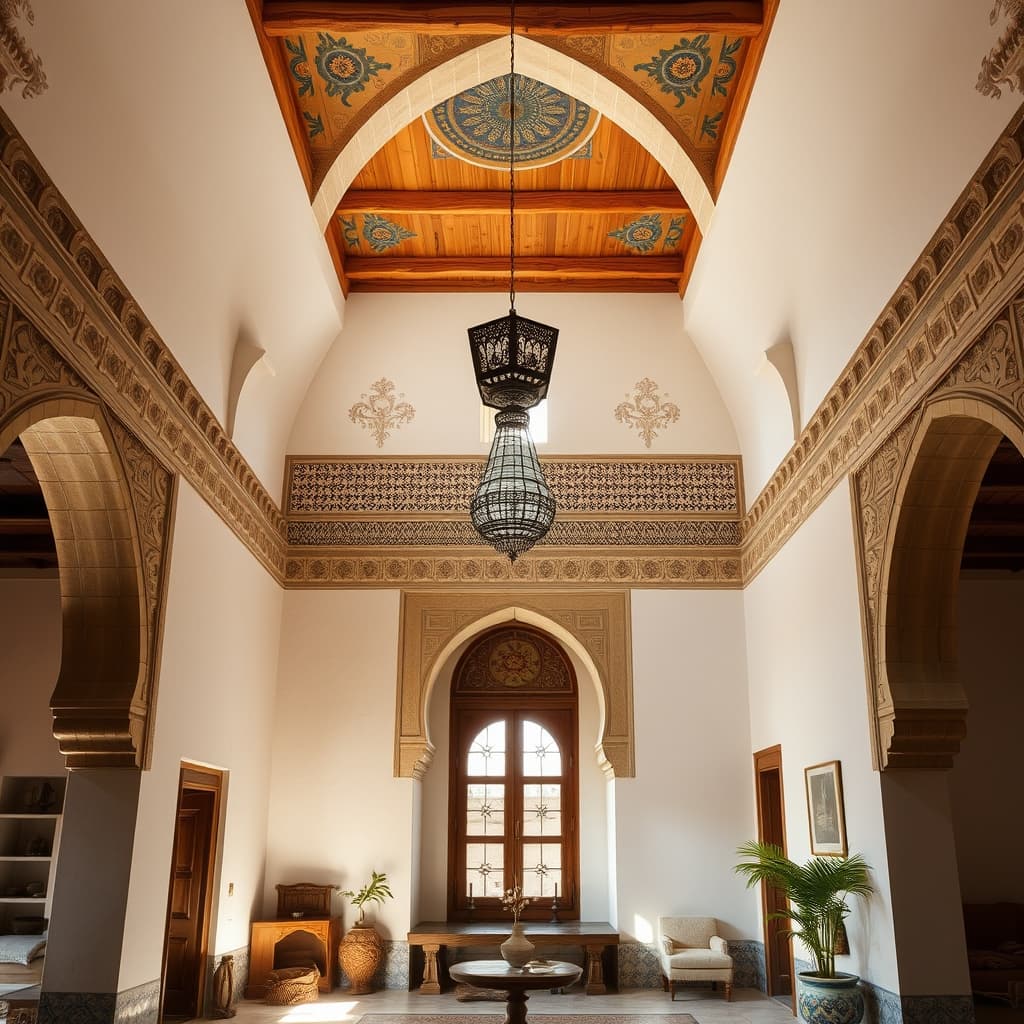
Riad Wood Restoration: Cedar Ceilings and Beeswax
Riad wood restoration requires stabilizing historical architectural elements through precision joinery, moisture-controlled timber, and breathable
Read Article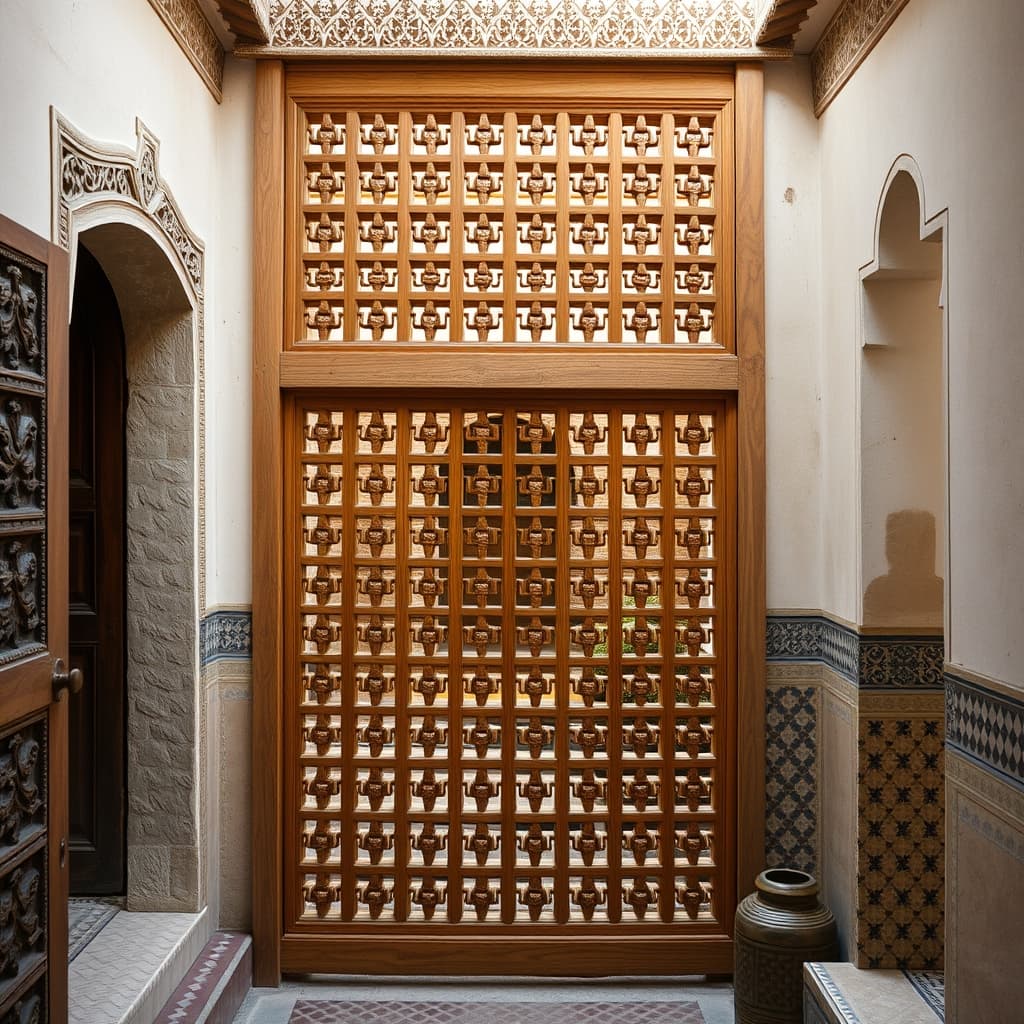
Mashrabiya Lattice Sizing for Light & Climate Control
Calculations of void ratios, lathe spacing, and screen depth optimize residential mashrabiya lattice screens for solar shading and visual privacy.
Read Article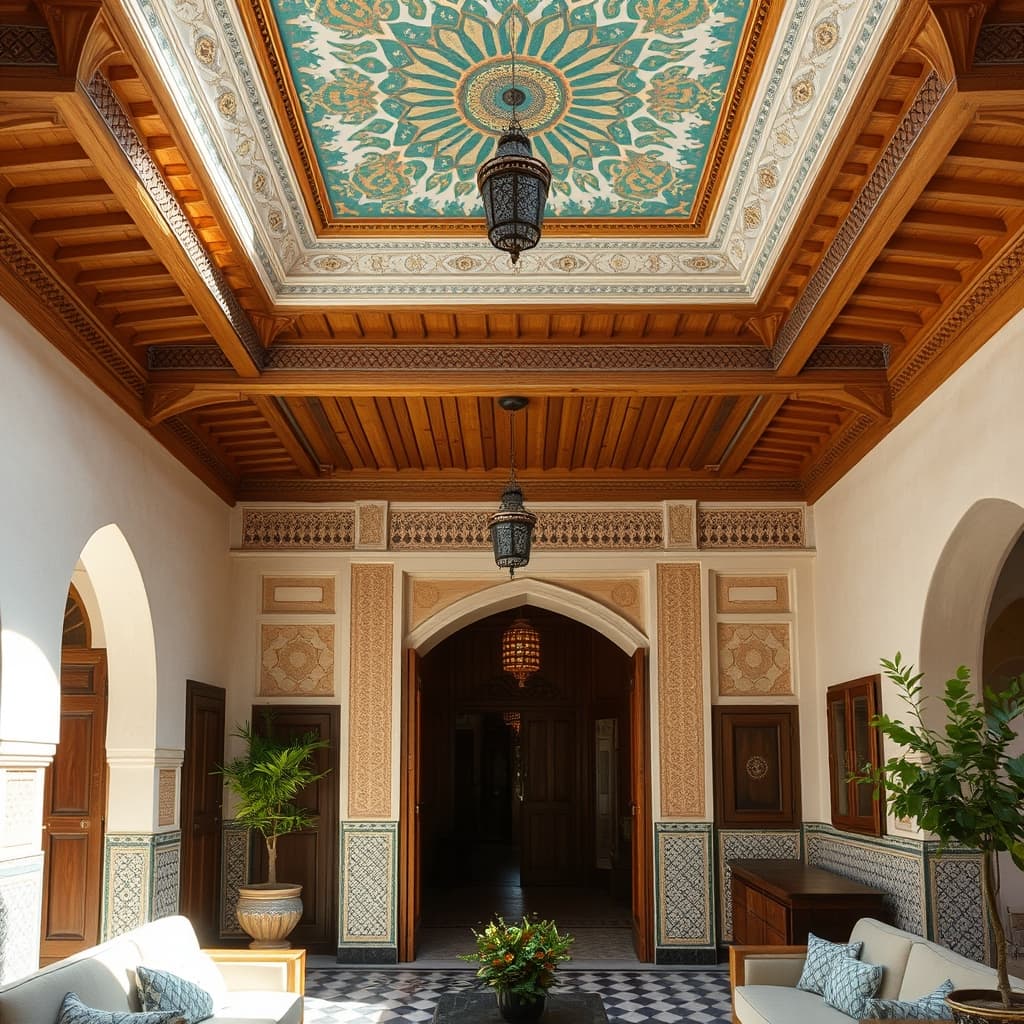
Painted Zouaq Ceilings in Atlas Cedar Joinery
Painted zouaq ceilings crafted from Middle Atlas cedar unite traditional joinery, mineral pigments, and modular fitting for global interiors.
Read Article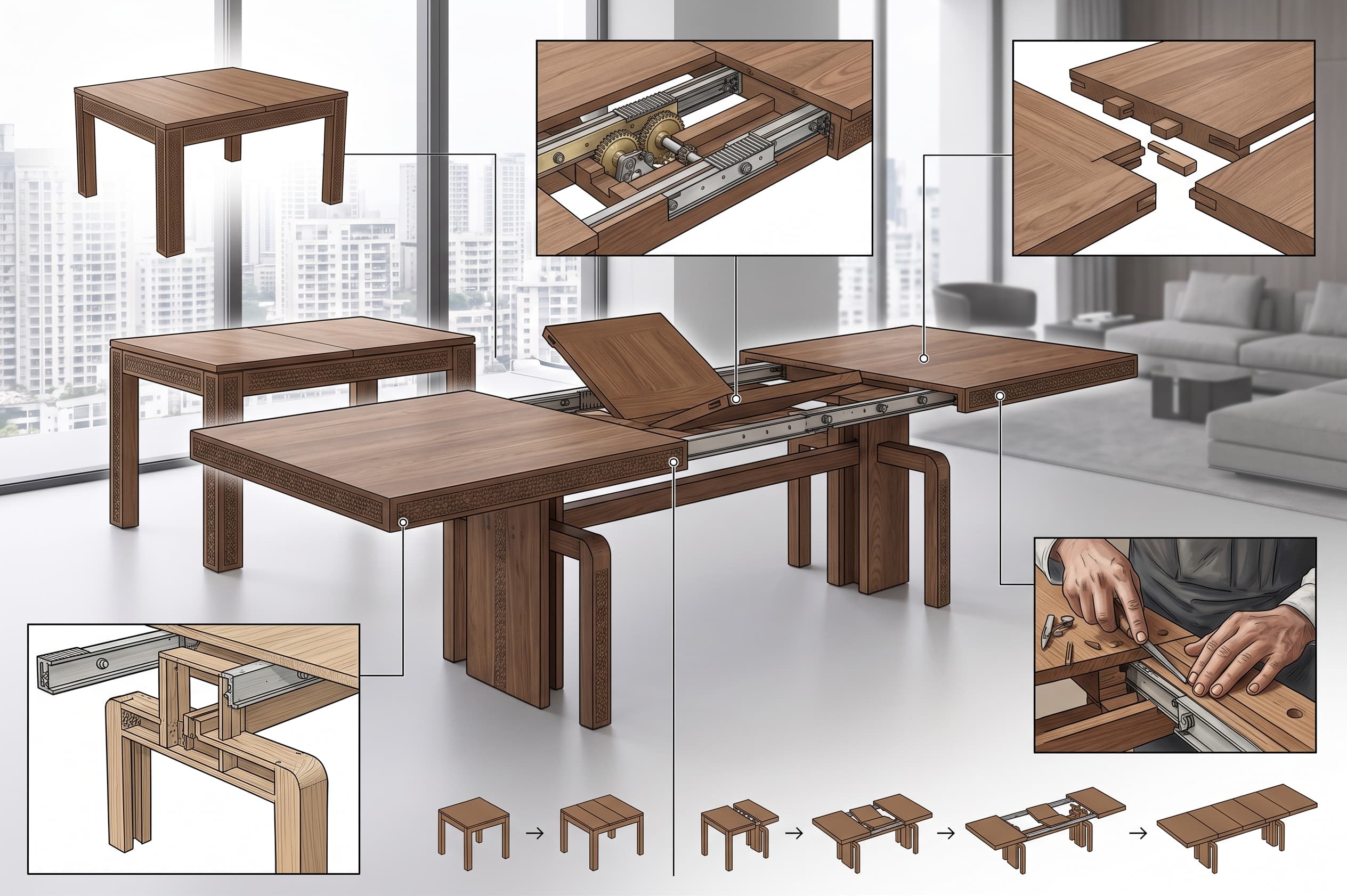
Reception Tables and Multifunctional Solutions for Urban Architecture
Reception Tables and Multifunctional Solutions for Urban Architecture
Read Article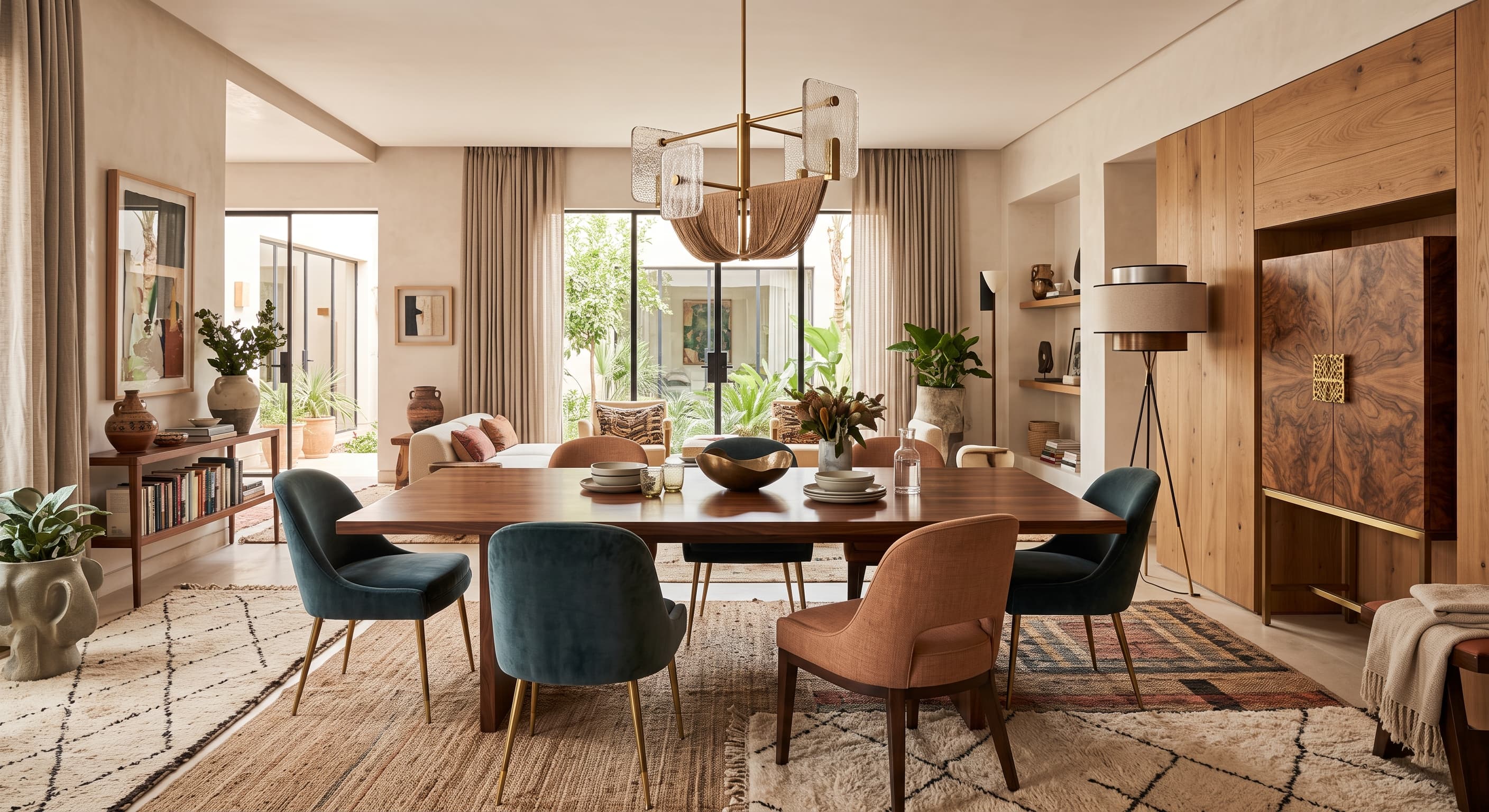
The Advantage of Solid Slab Tops Over Edge-Glued Panels
The Advantage of Solid Slab Tops Over Edge-Glued Panels
Read Article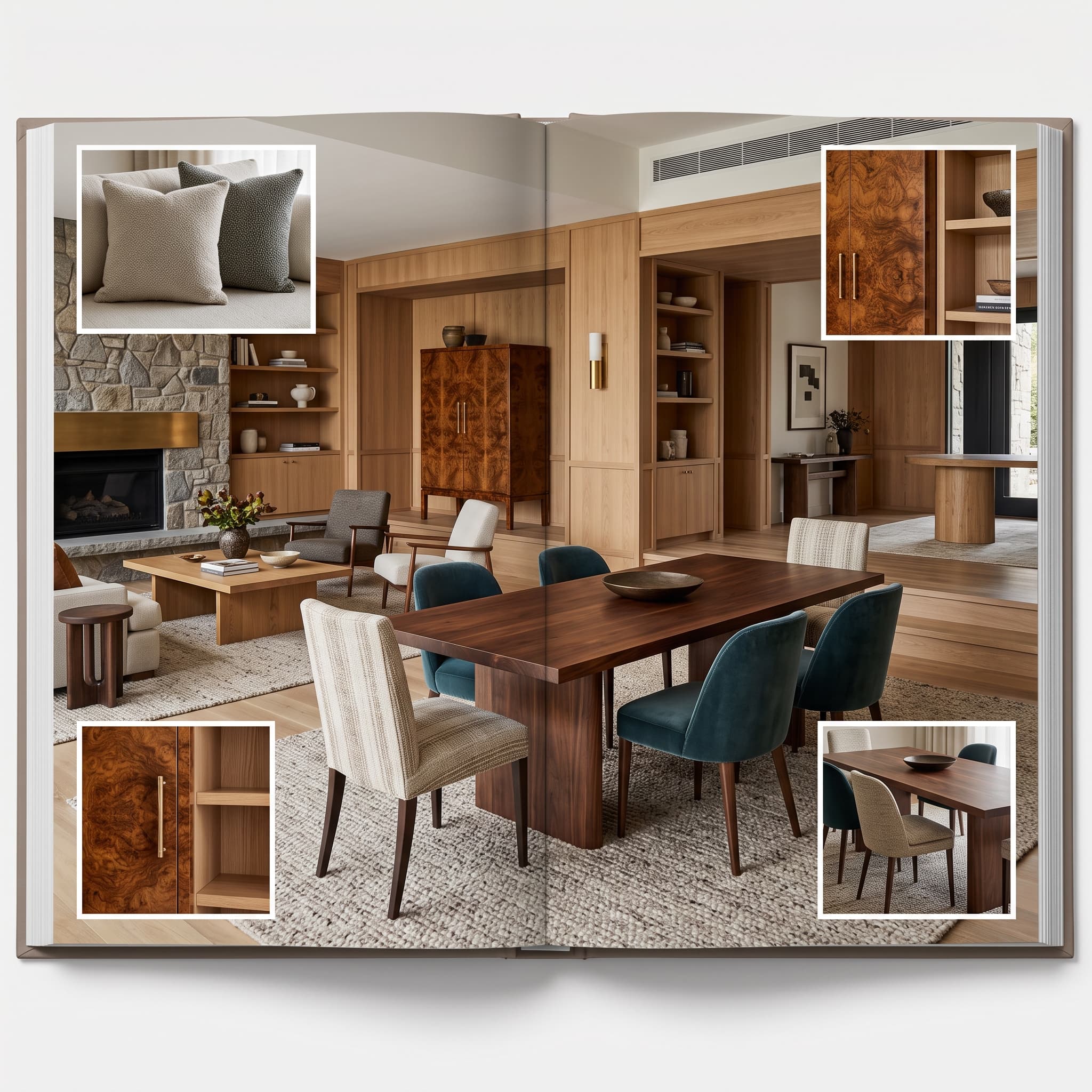
How to Mix Wood Species Harmoniously
The Art of Layering
Read ArticleBespoke Consultation
Share Your Space, We Will Shape the Piece
Send dimensions, material preferences, and timeline. Our design team will return a personalized direction with recommendations and next steps.
Start Consultation