Art de Fès
Moroccan Atlas Cedar Architectural Millwork
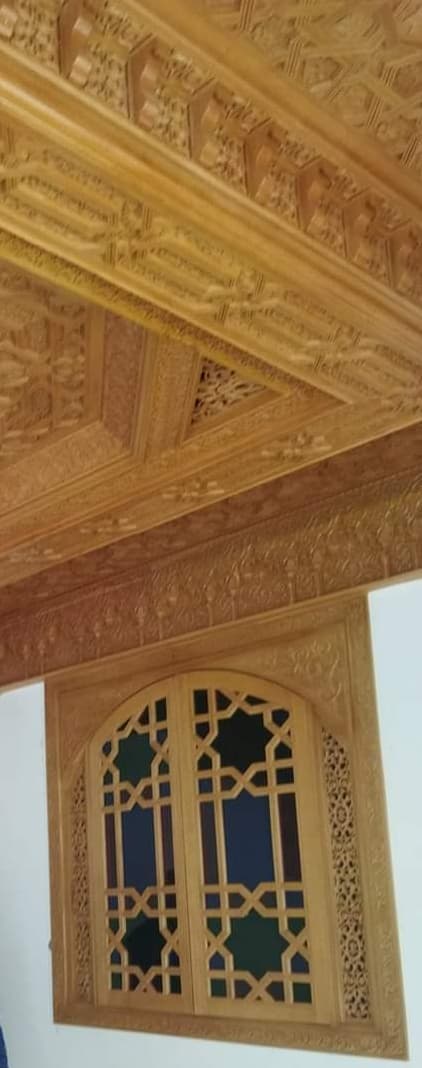
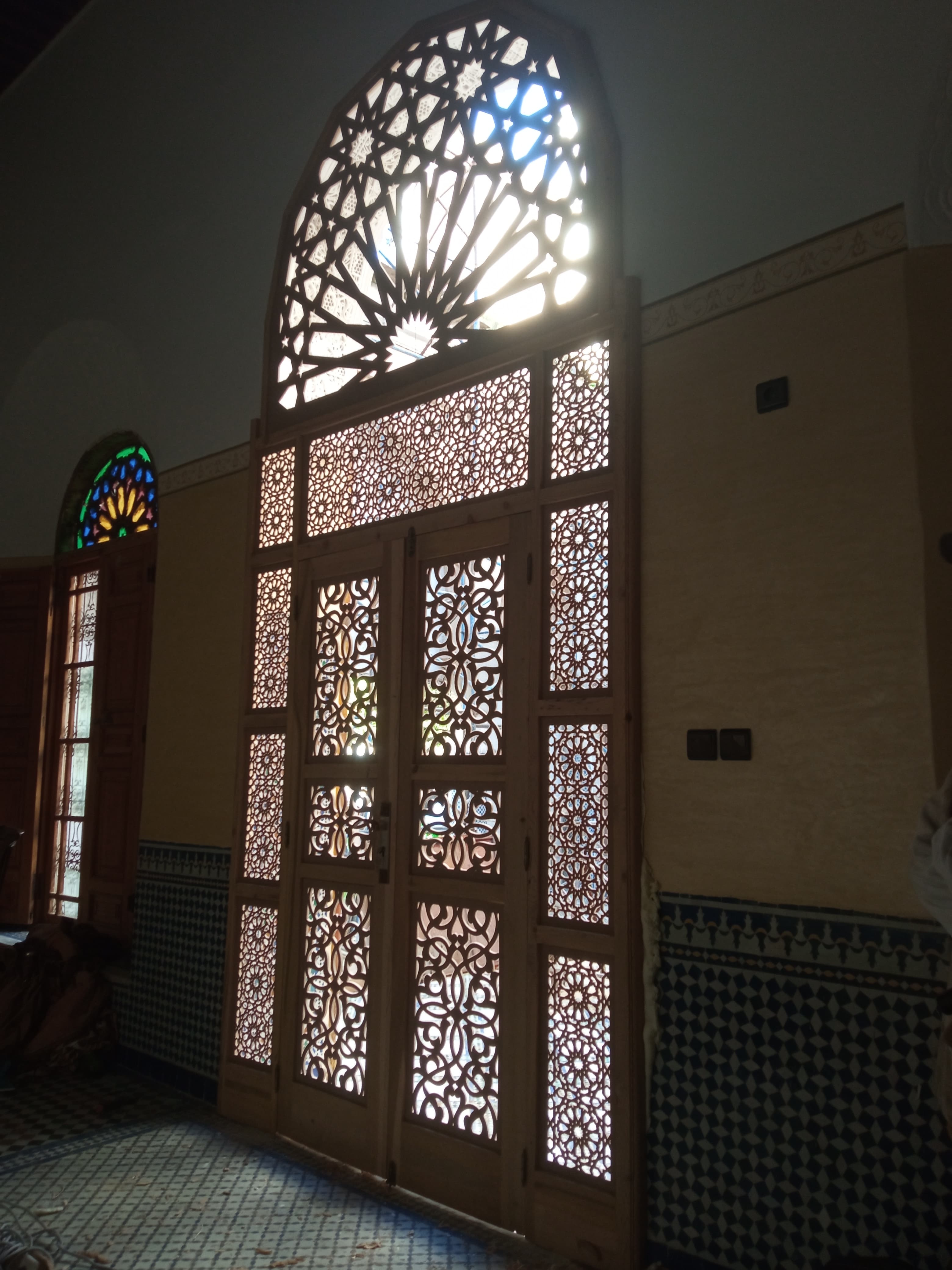
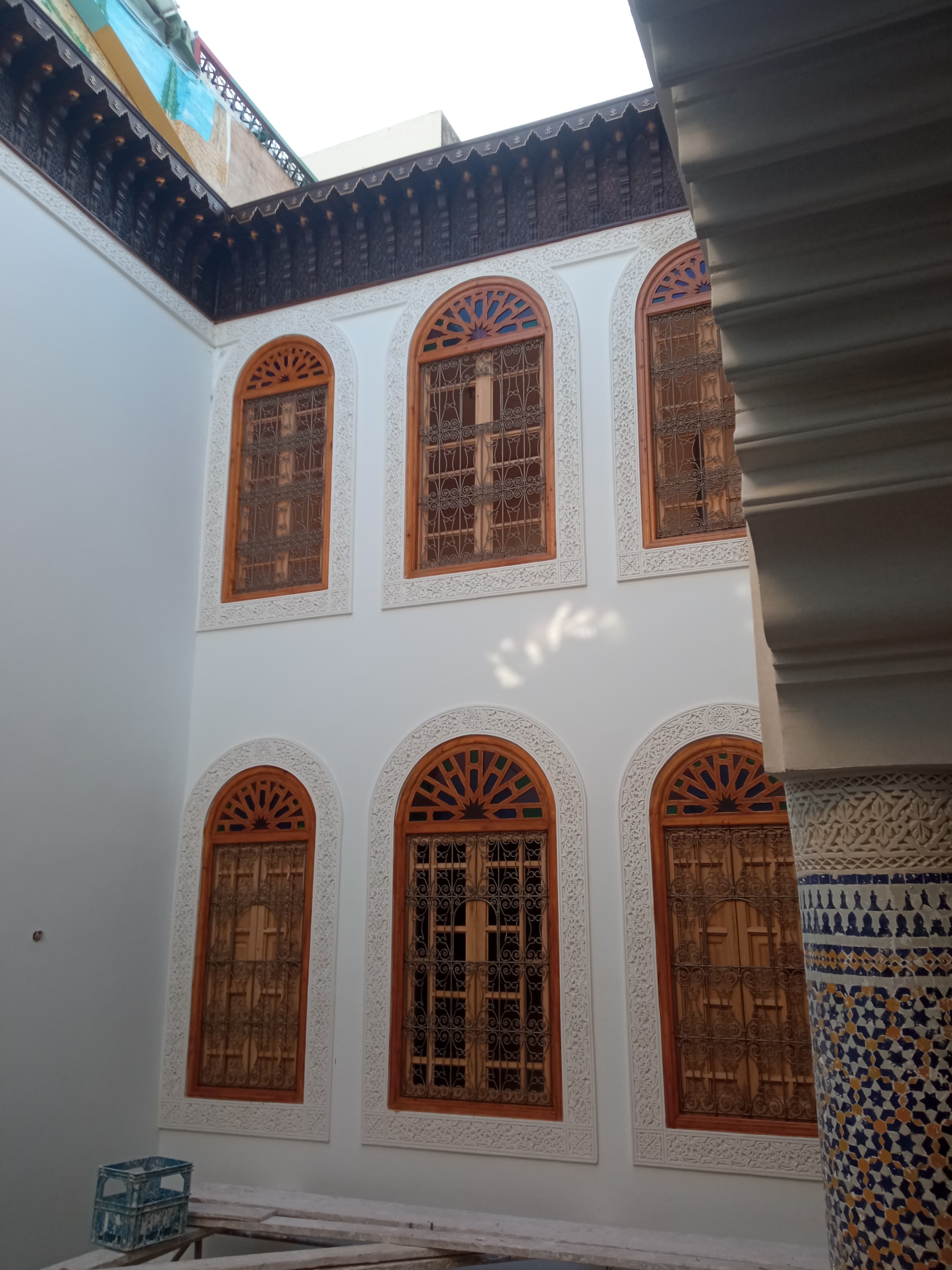
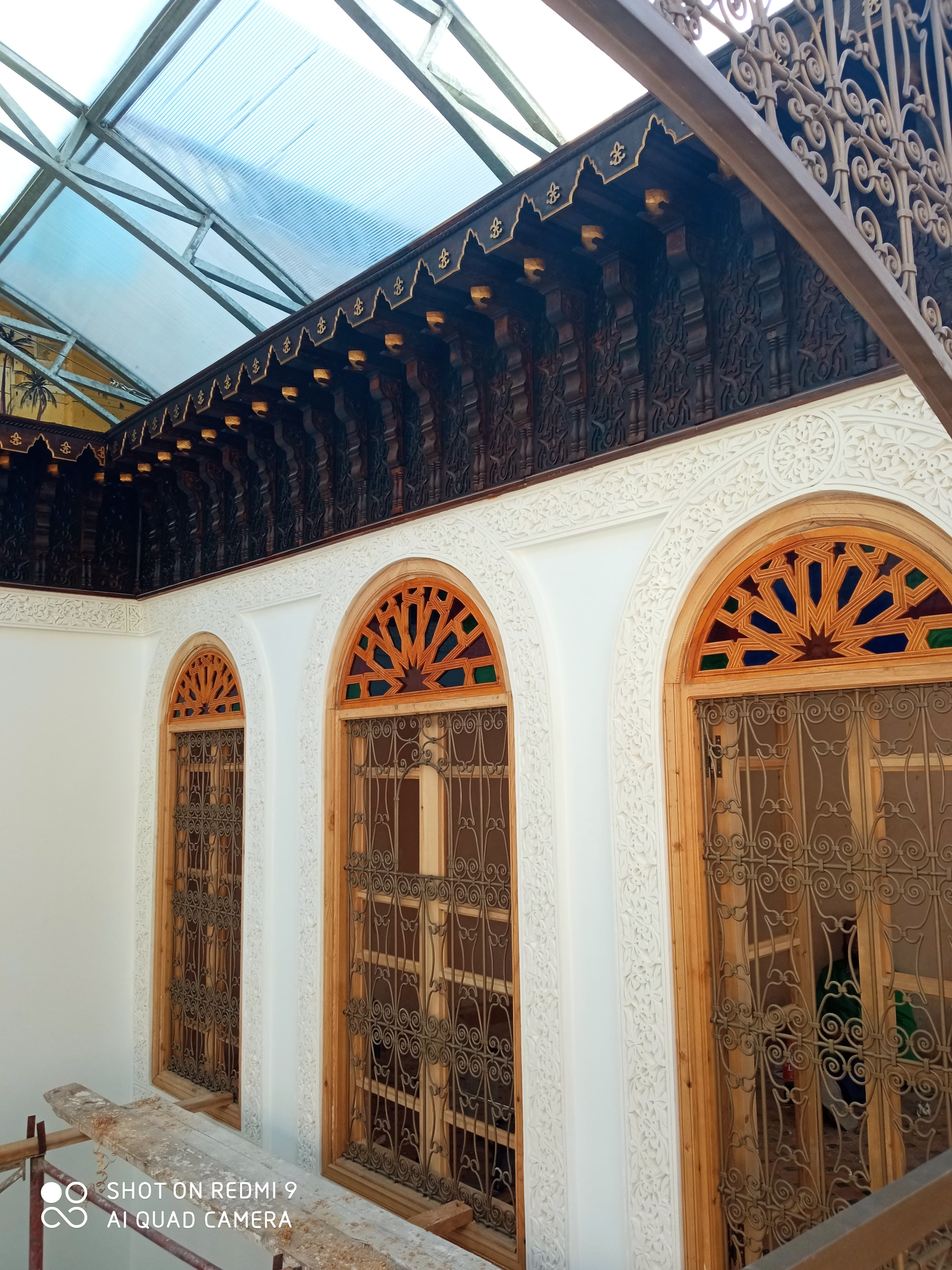
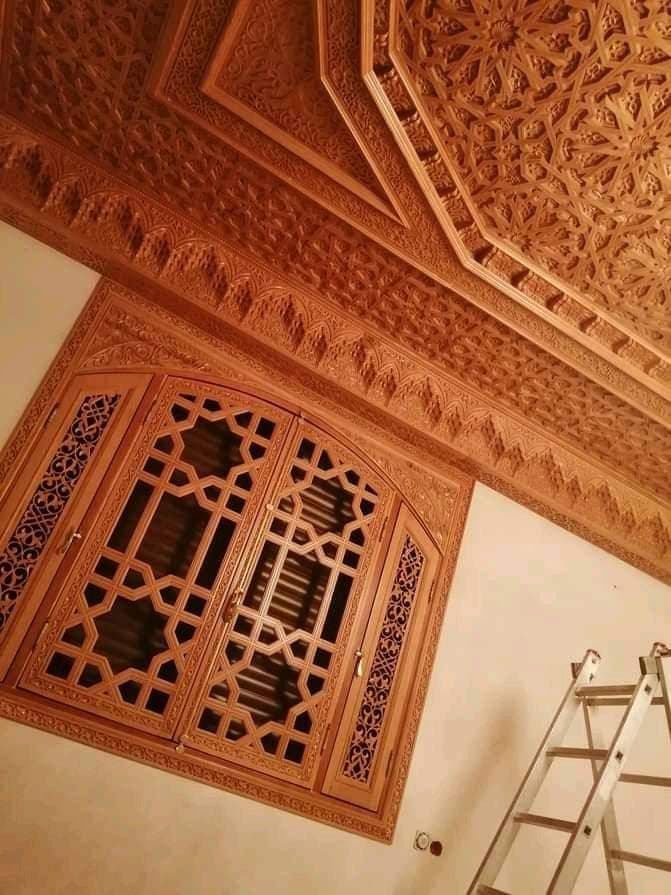
Middle Atlas Cedar (Cedrus atlantica) is the primary structural timber at Art de Fès—aromatic, insect-resistant, and stable across climates. Maâlems carve ceilings, mashrabiya, and majlis frames from kiln-dried stock sourced for grain and oil content.
Botanical & regional provenance
Art de Fès selects Middle Atlas stands known for tight growth rings and natural resins. Boards are inspected in the Fes Medina atelier for moisture, sapwood ratio, and carving face before entering production.
Natural durability & aroma
Natural oils deter wood-boring insects; the timber holds fine relief carving without excessive tear-out. Warm resinous aroma and straight-to-waved grain make it ideal for painted Zouaq ceilings and structural screens.
Finishing & care protocol
Hand-rubbed natural oils deepen colour without sealing the grain shut. Avoid prolonged standing water; dust with a soft cloth; re-oil annually in dry climates. Zouaq panels use mineral pigments protected with traditional wax systems.
Technical specifications
| Species | Cedrus atlantica (Middle Atlas) |
|---|---|
| Typical uses | Ceilings, mashrabiya, majlis frames, doors |
| Lead time (bespoke) | 6–12 weeks atelier + freight |
| Joinery | Pegged mortise-and-tenon, modular panels |
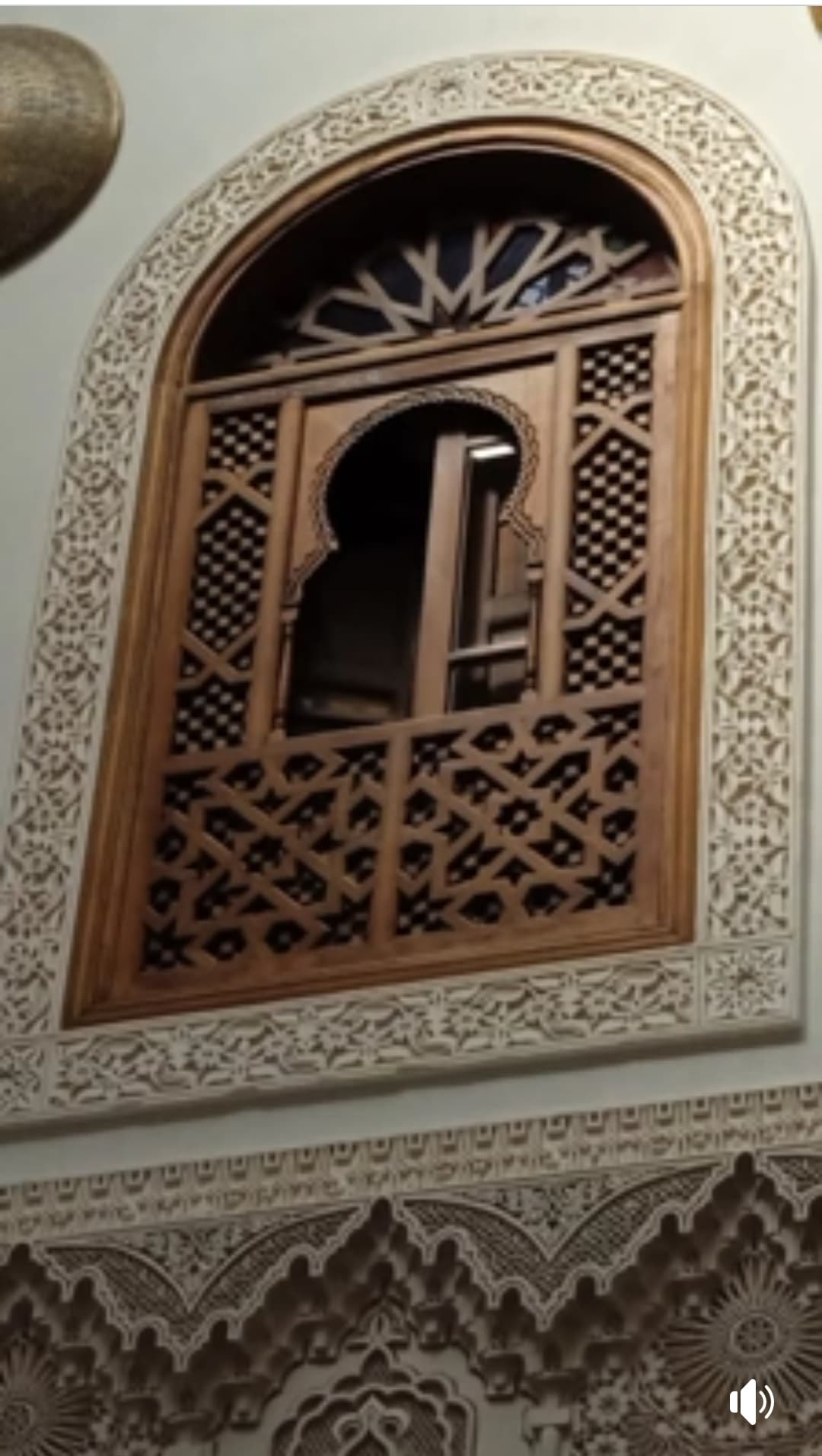
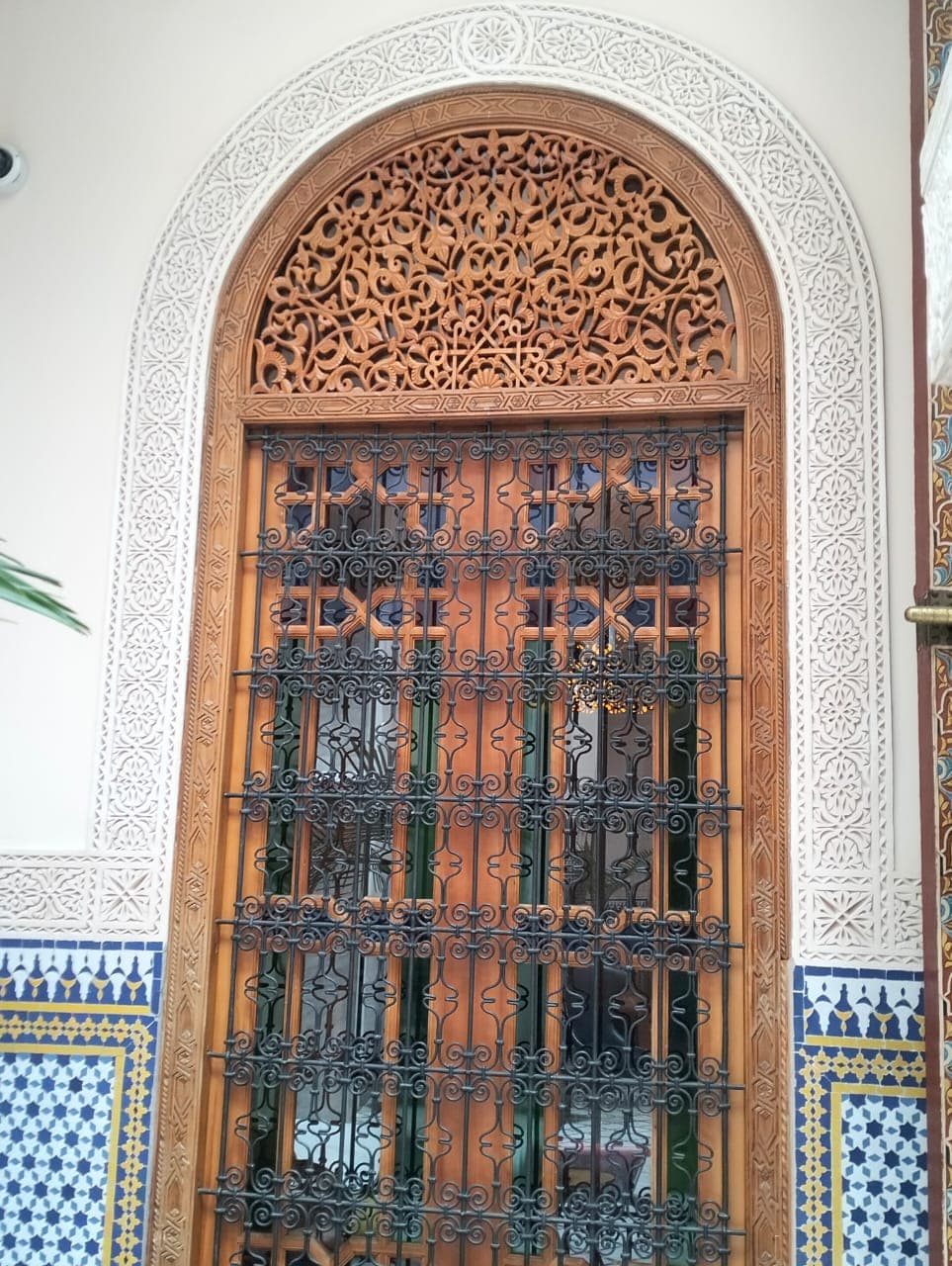
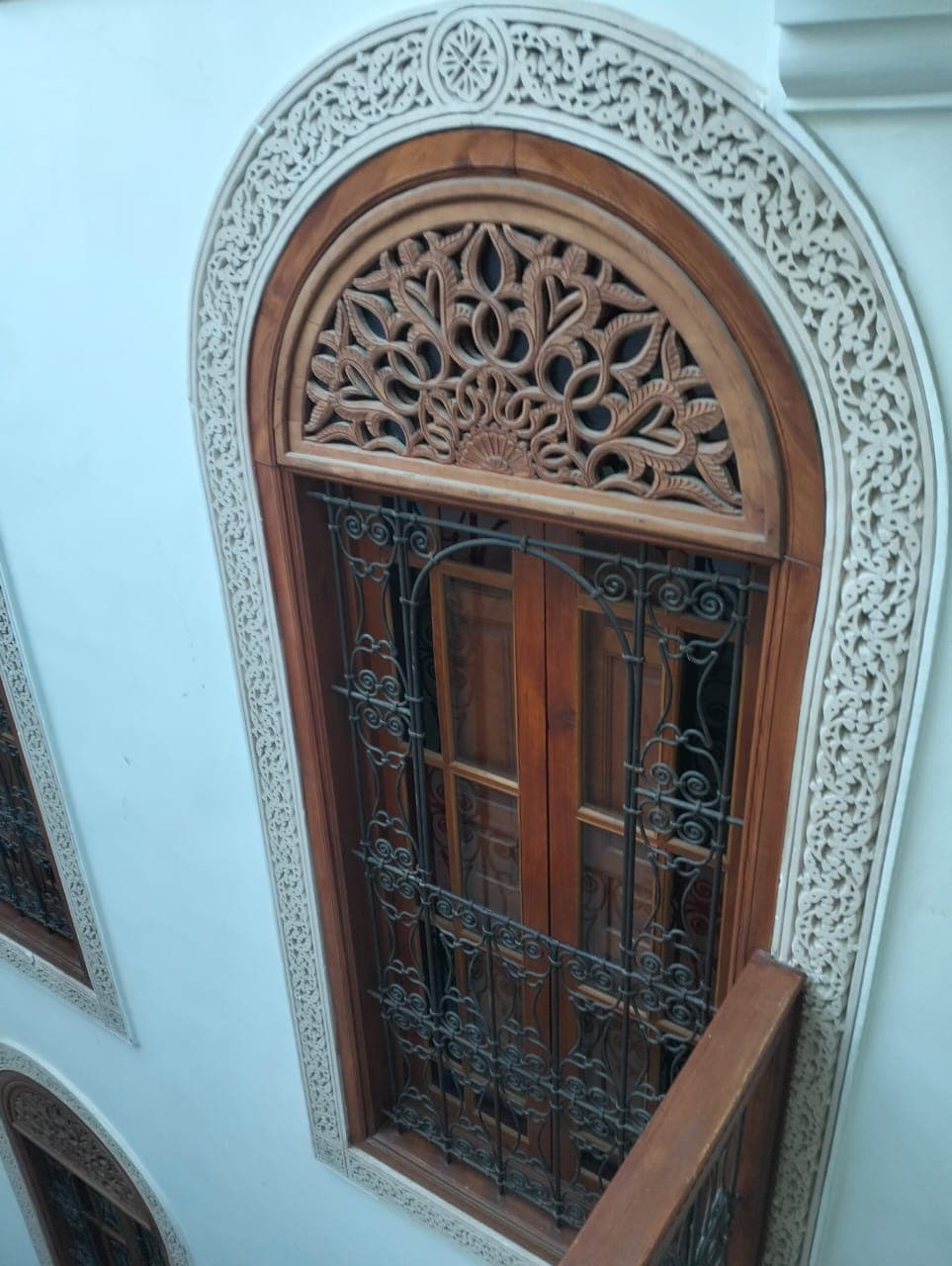
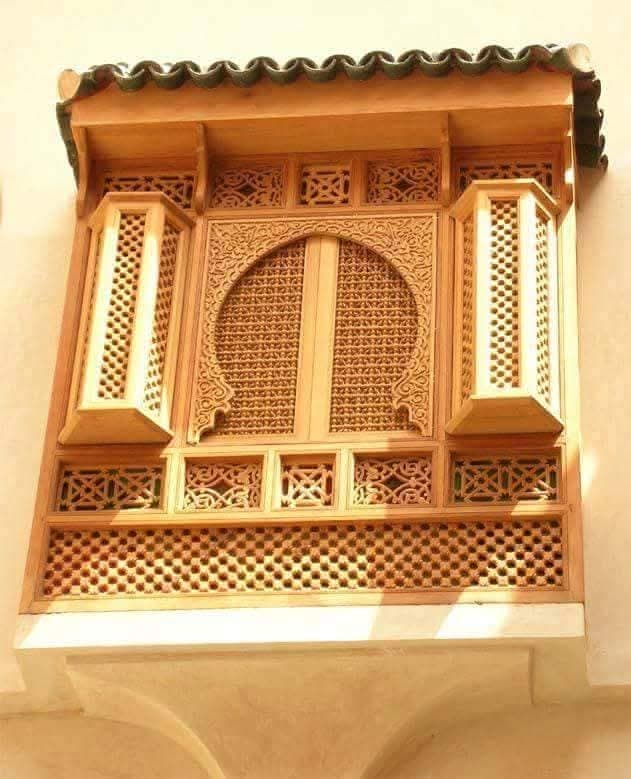
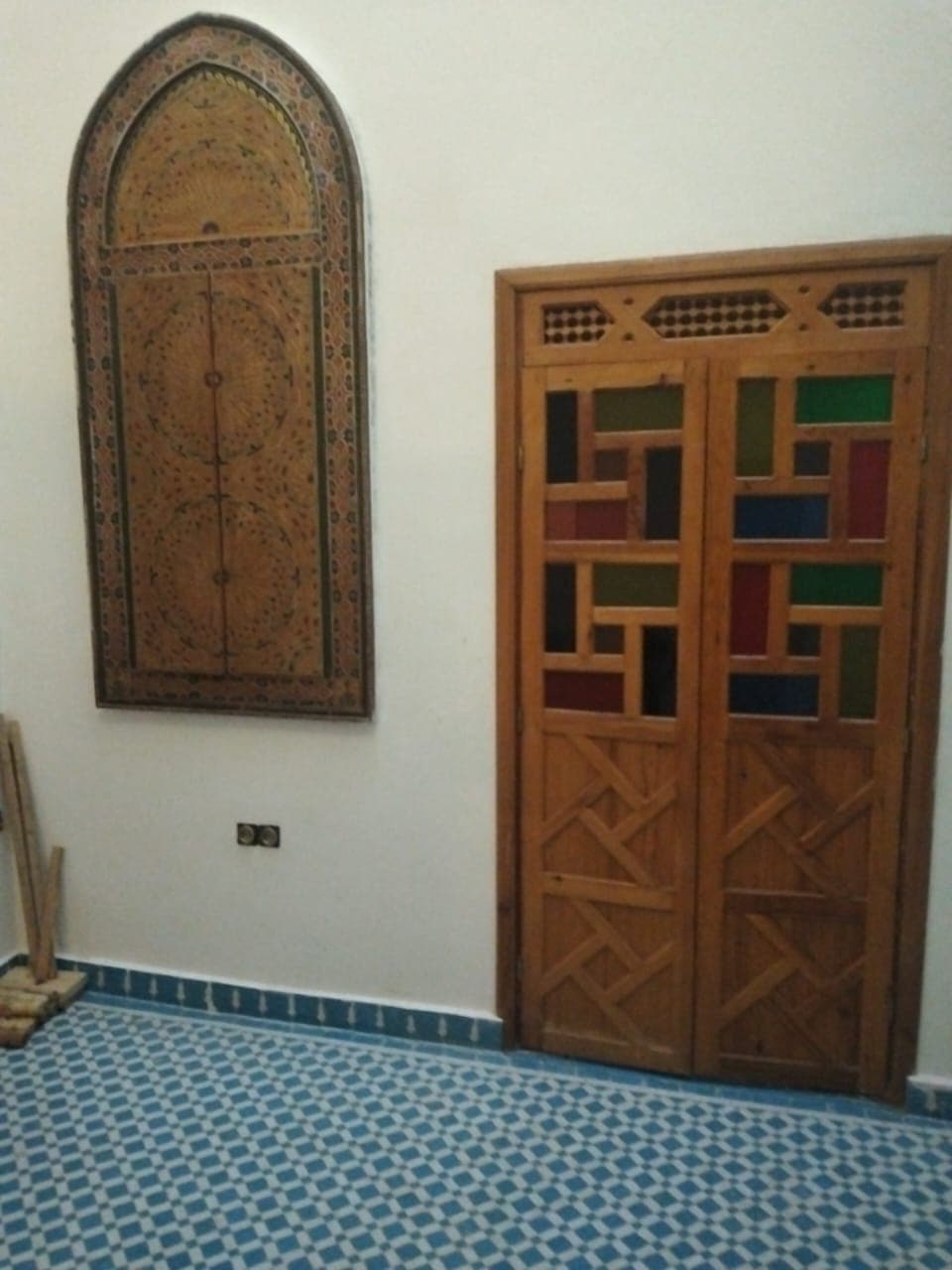
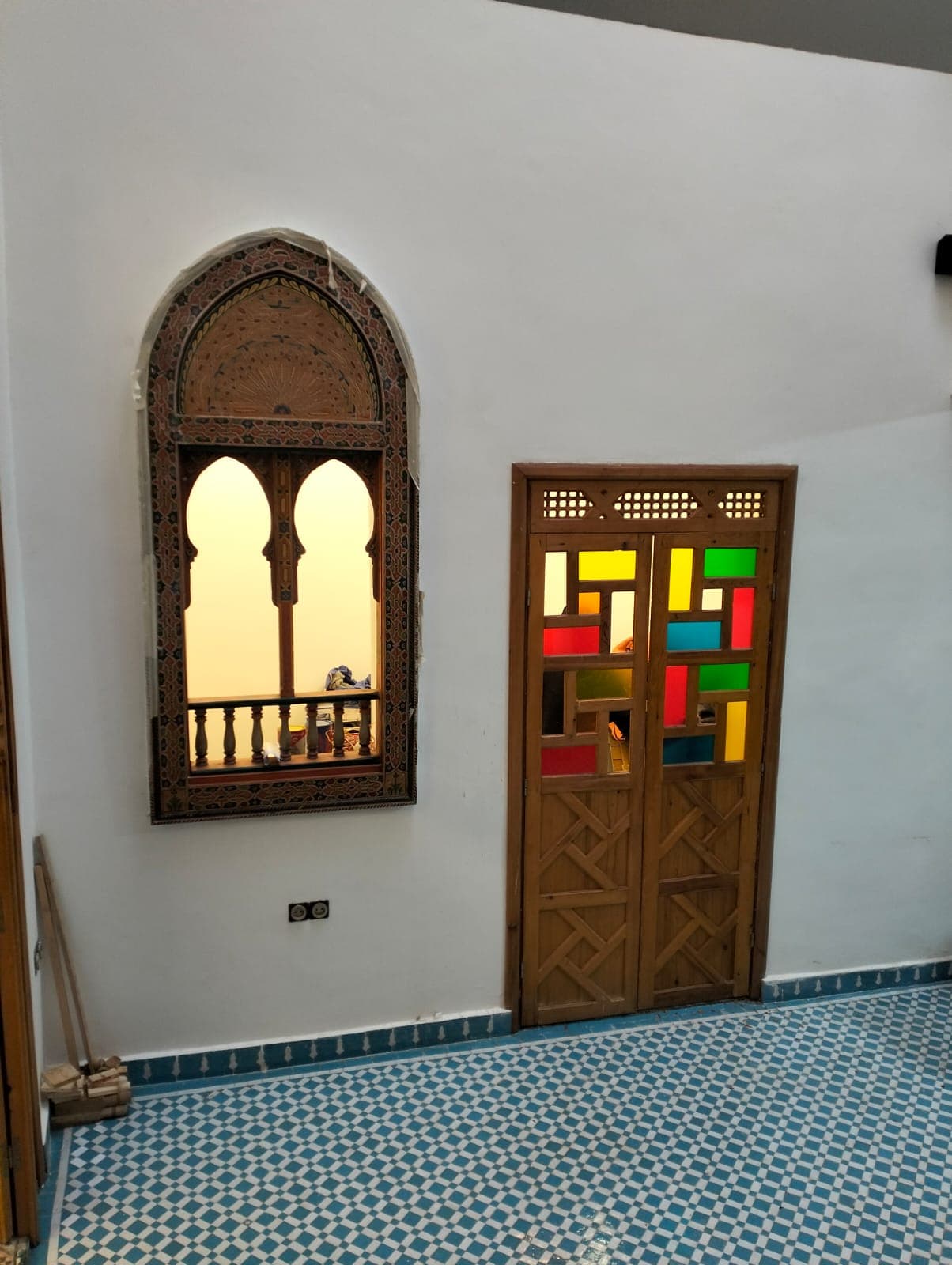
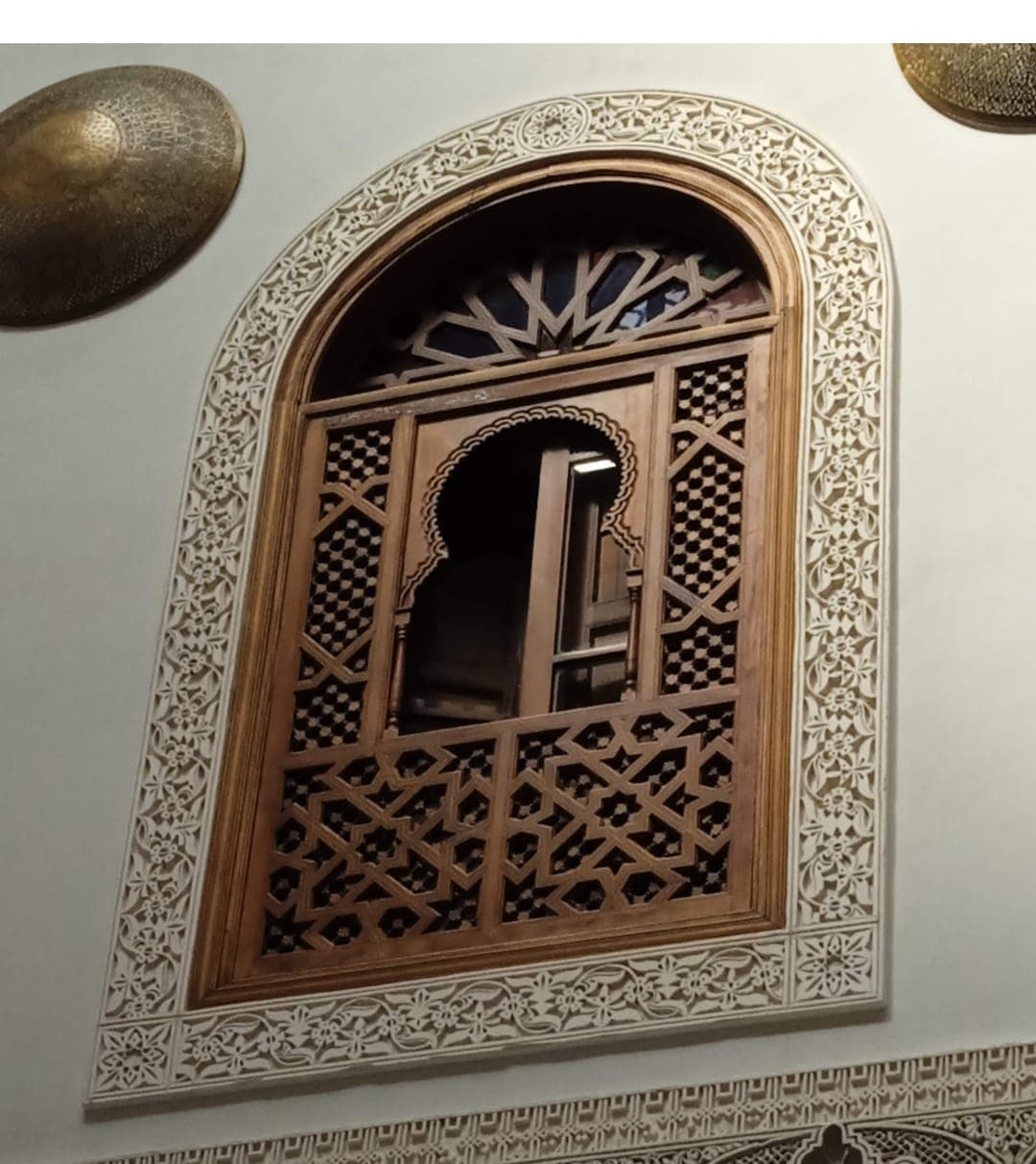
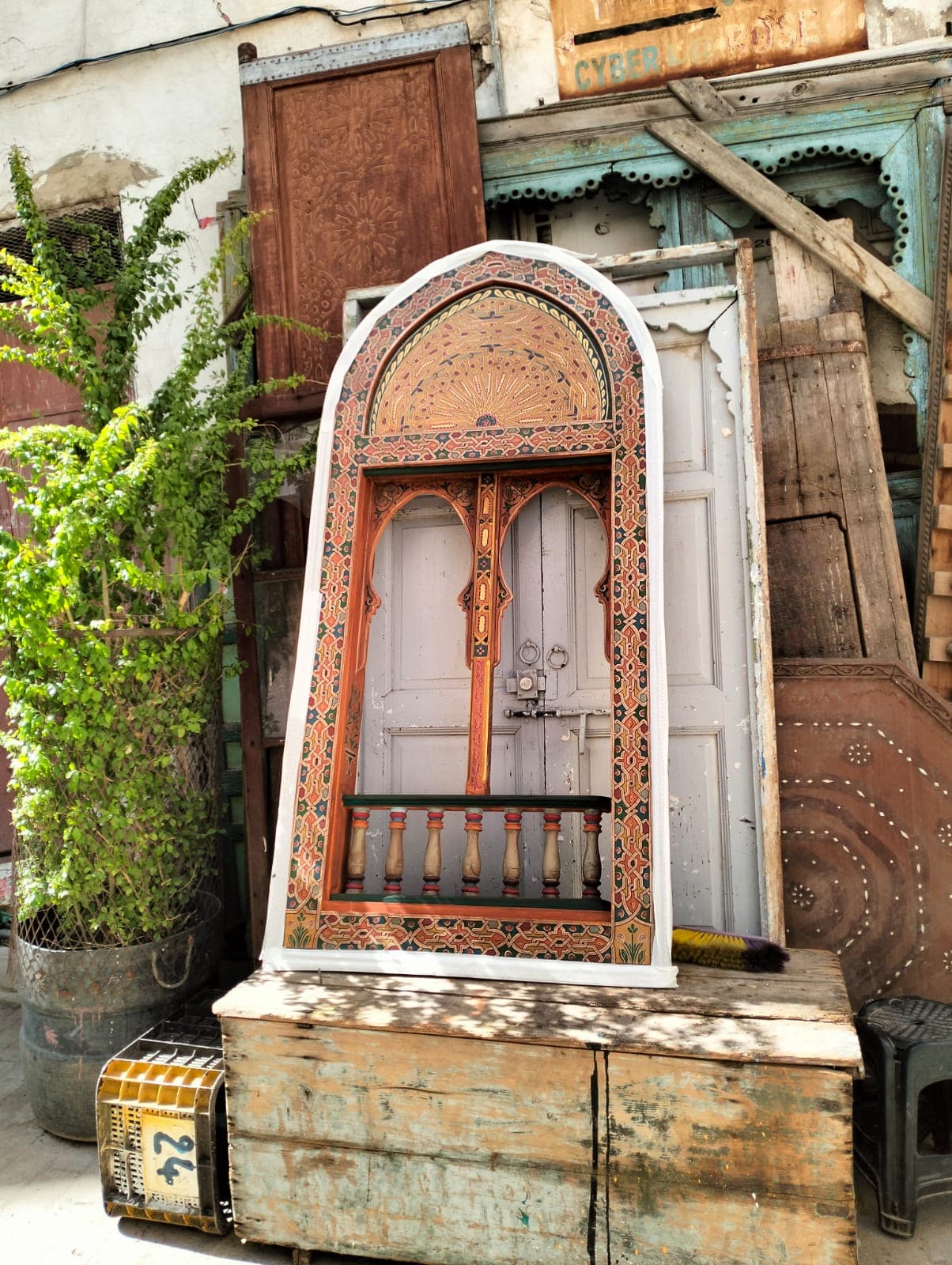
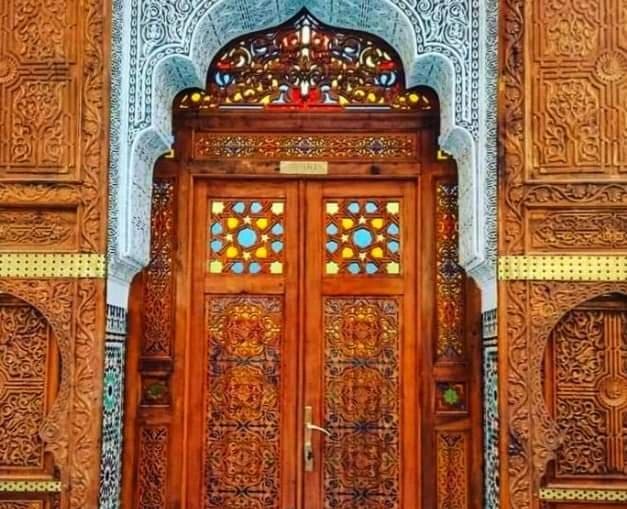
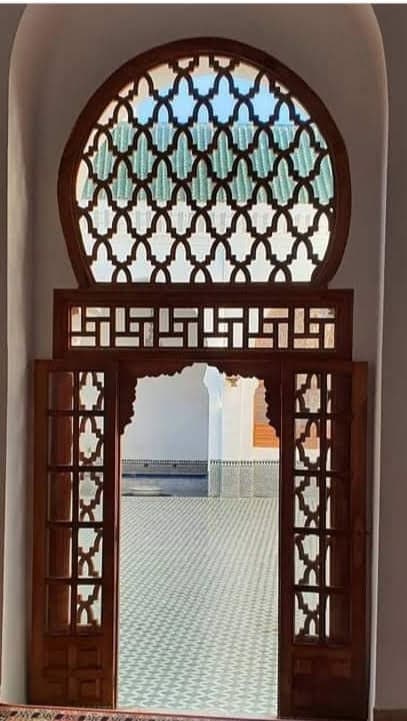
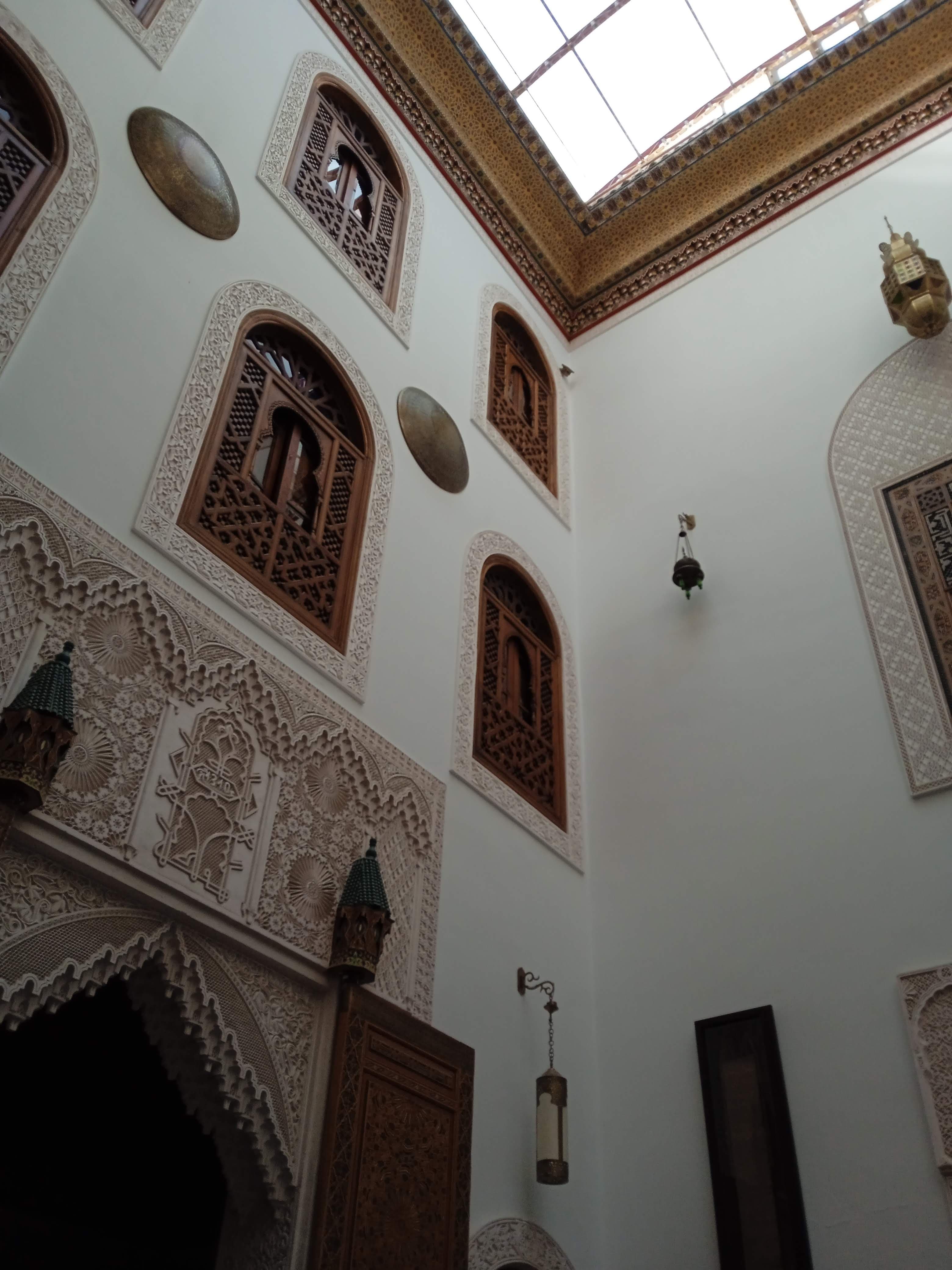
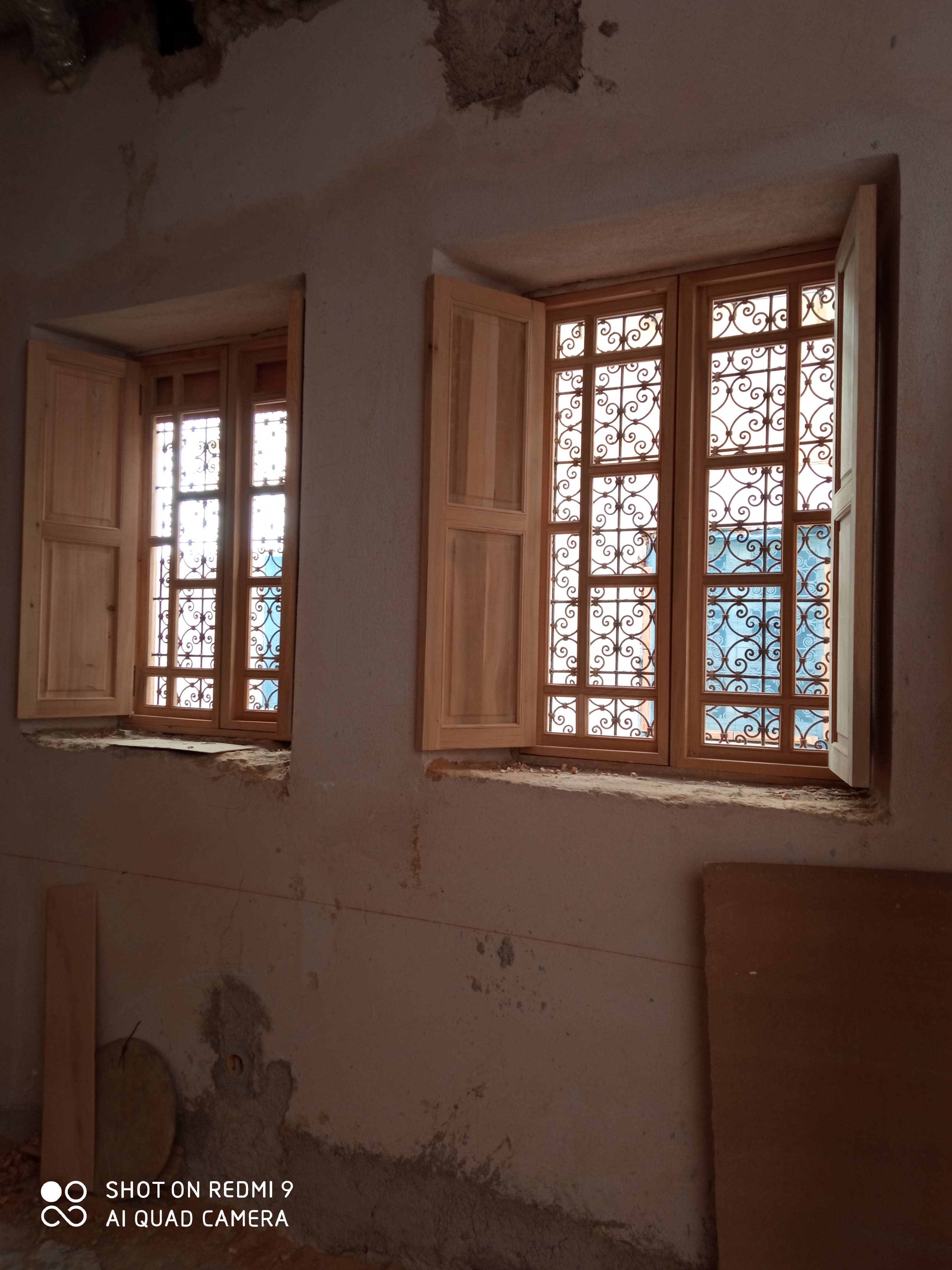
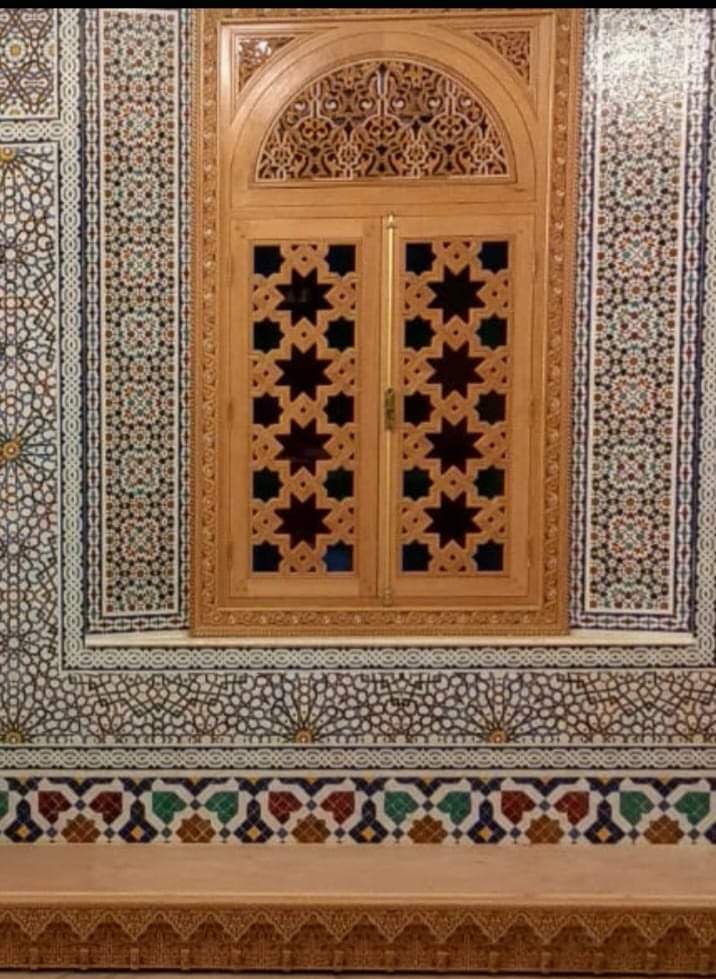
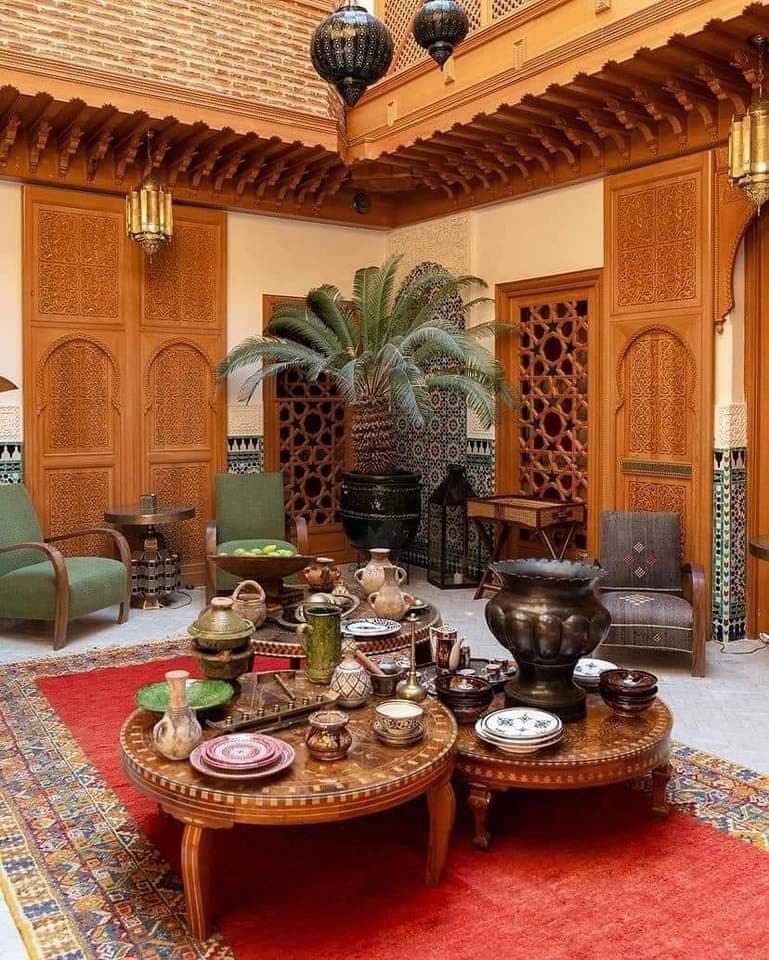
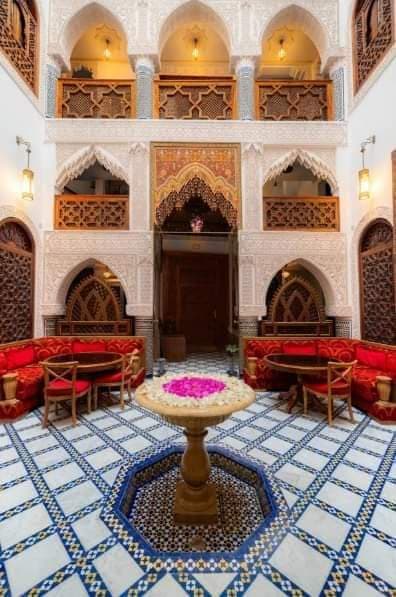
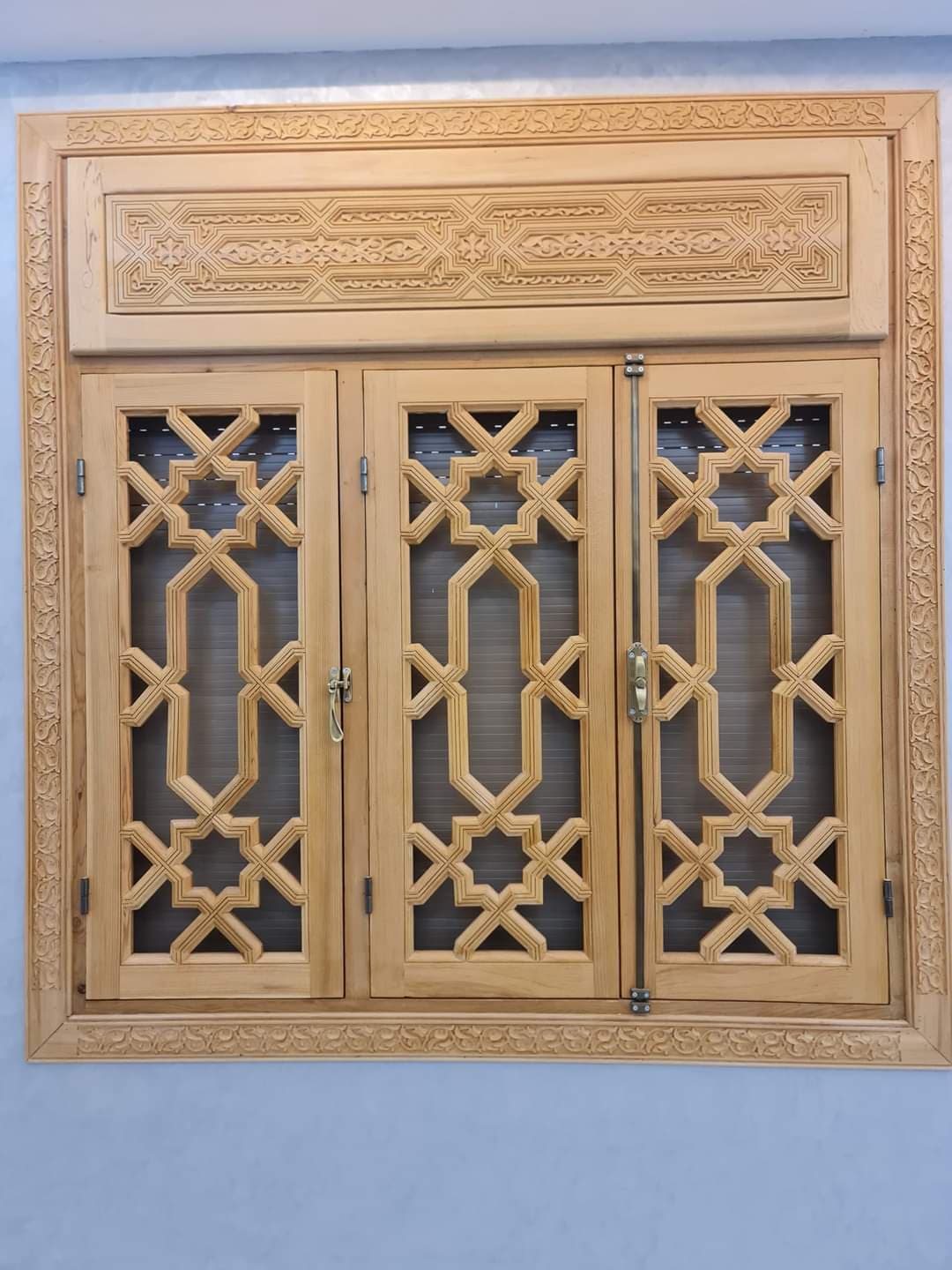
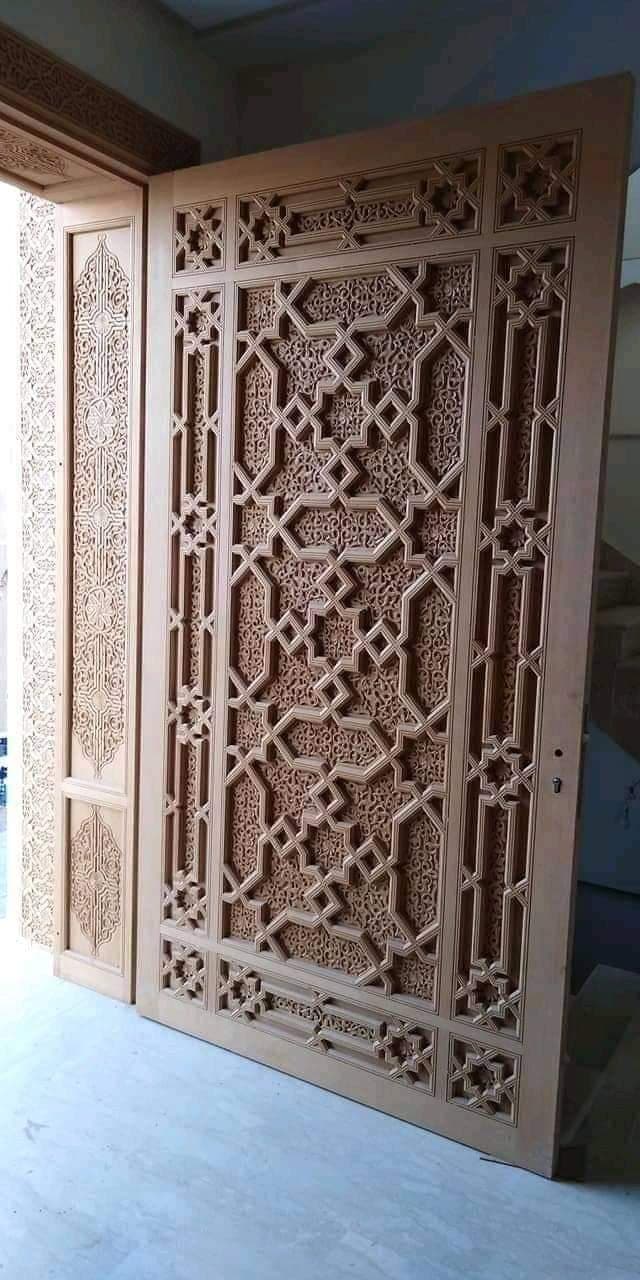
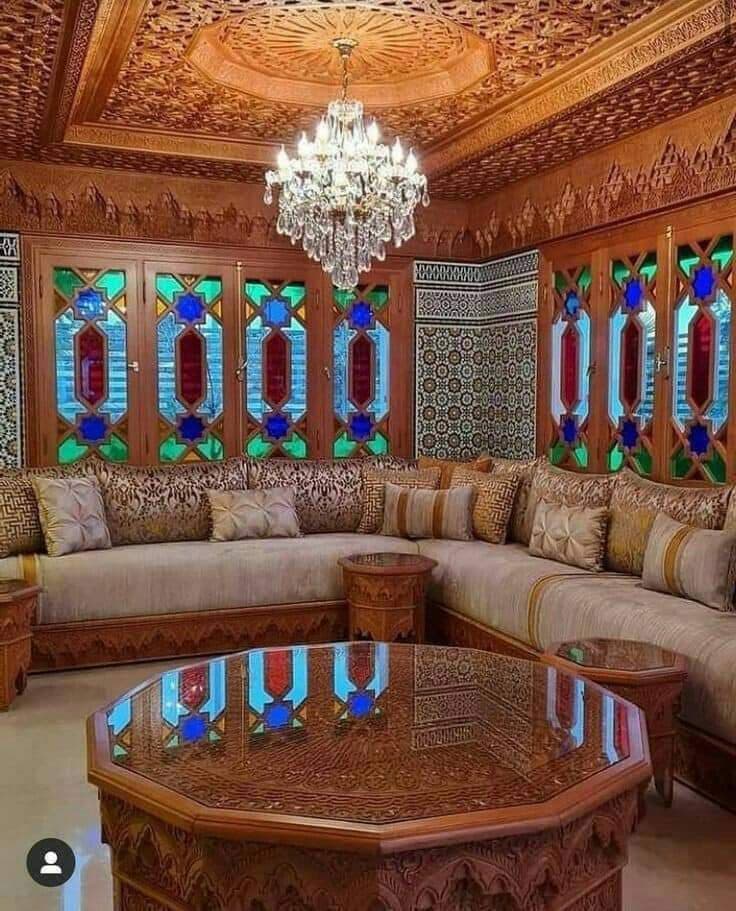
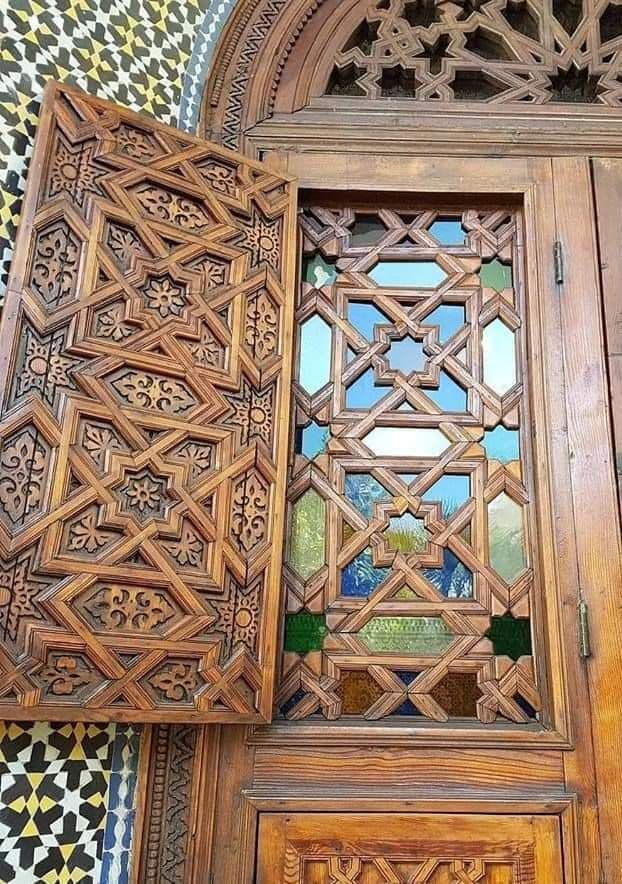
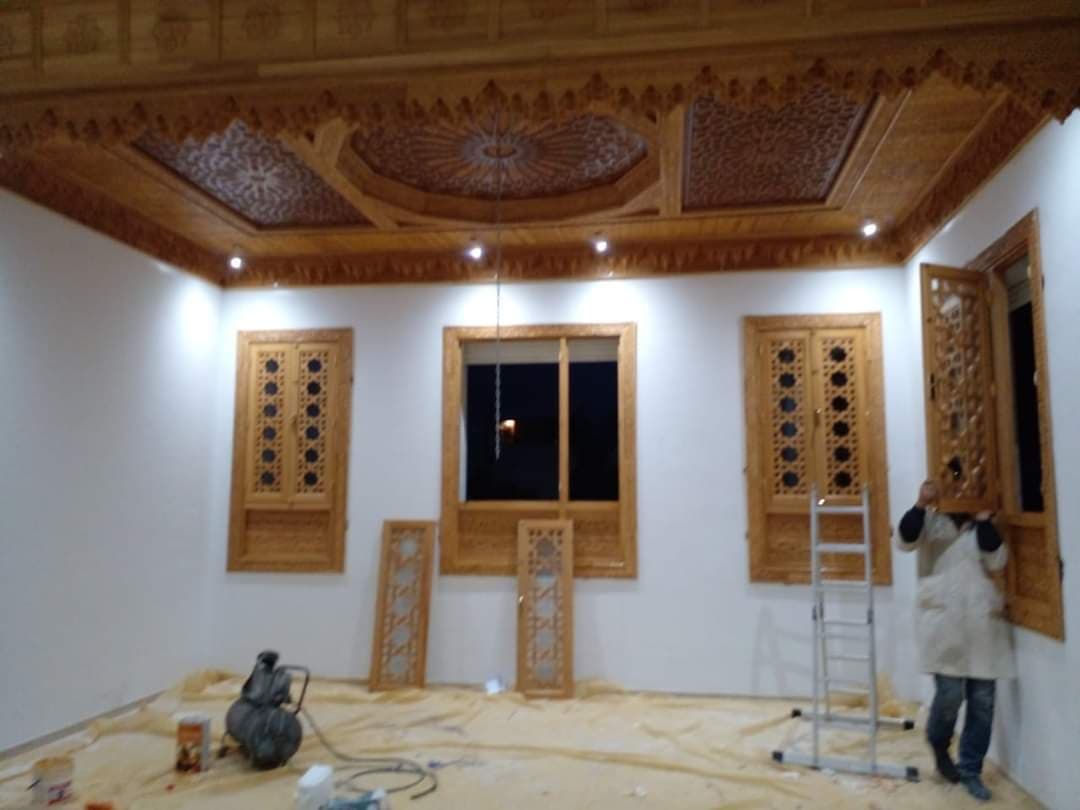
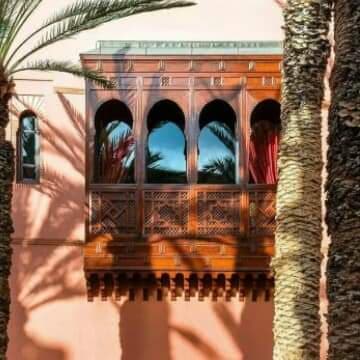
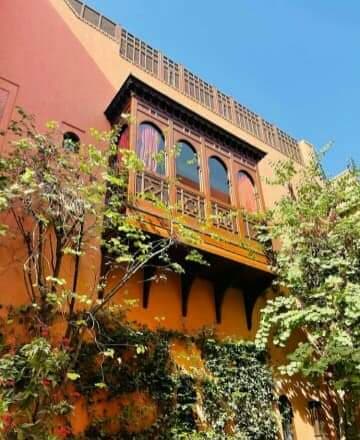
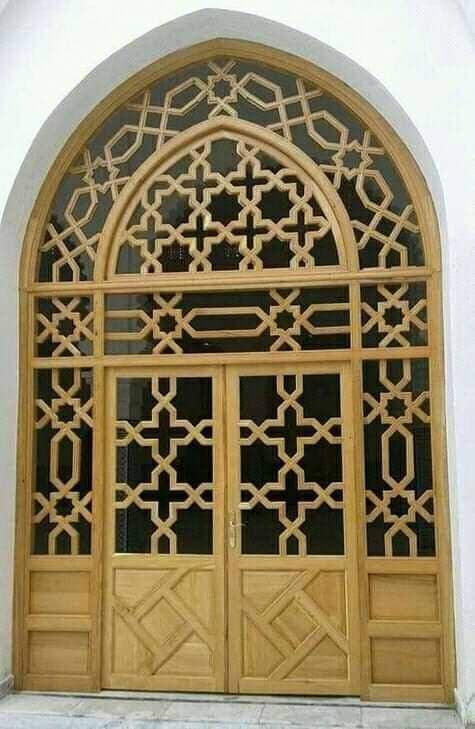
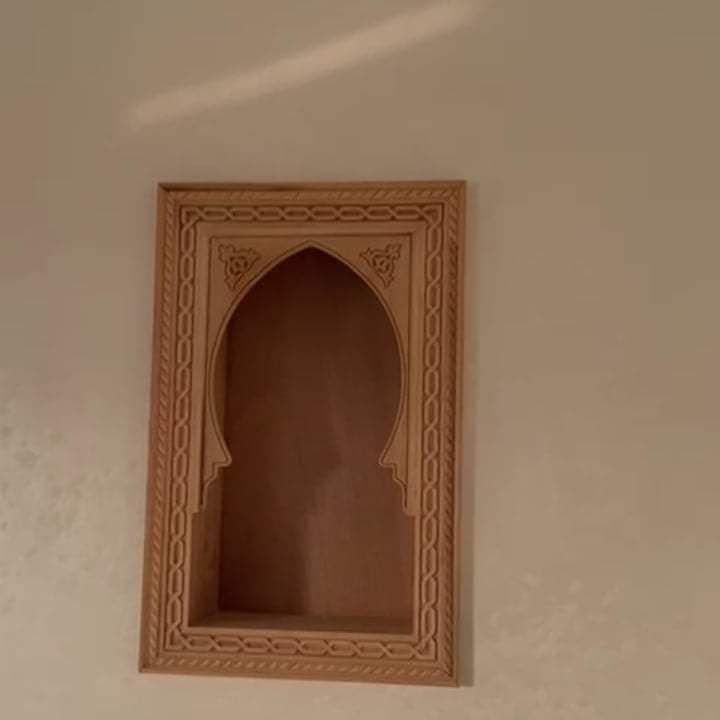
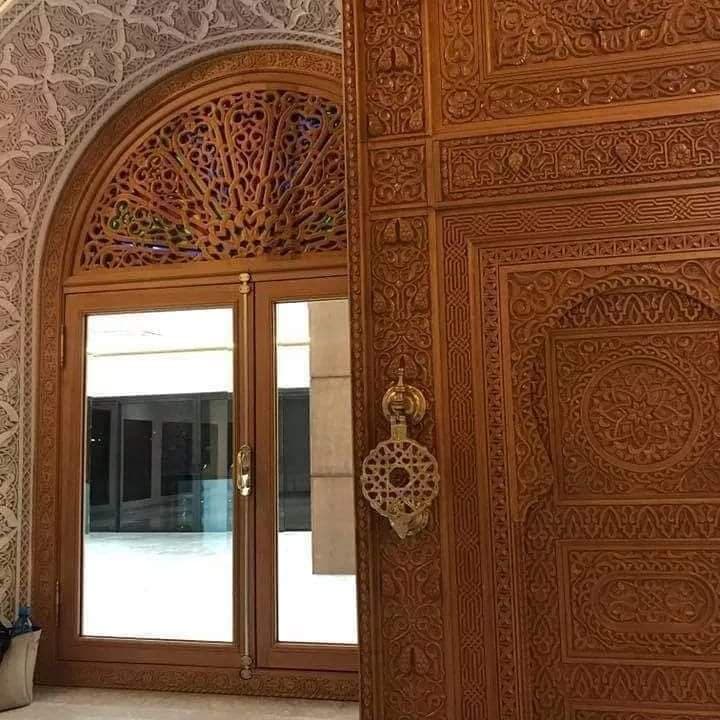
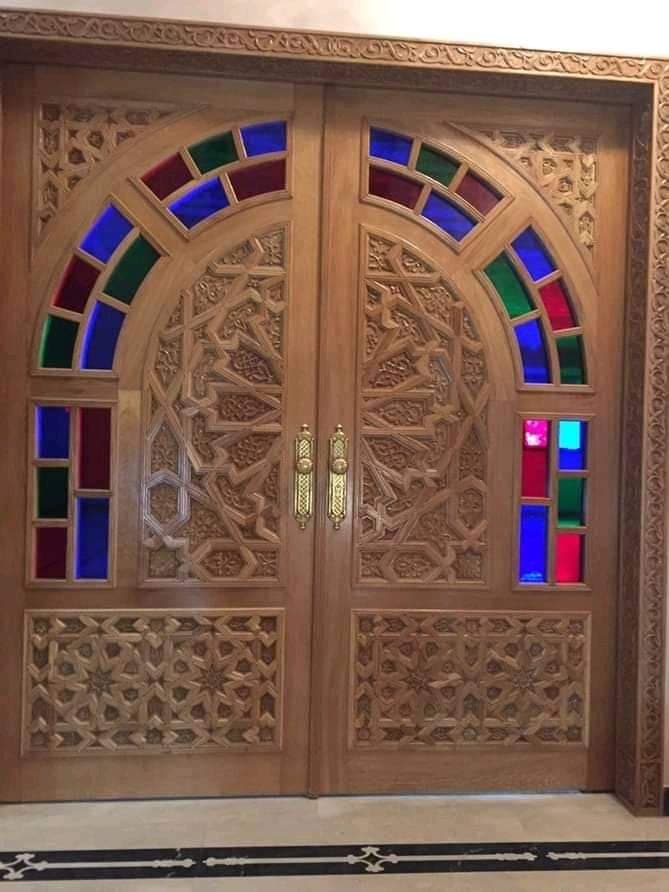
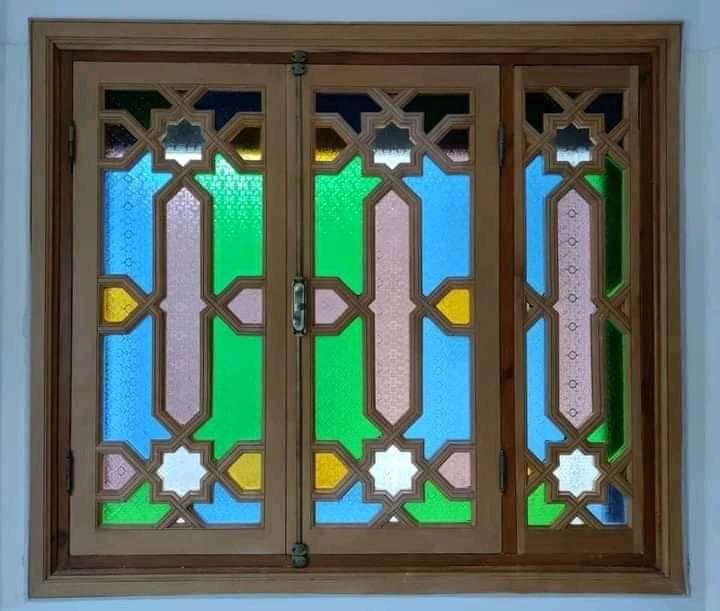
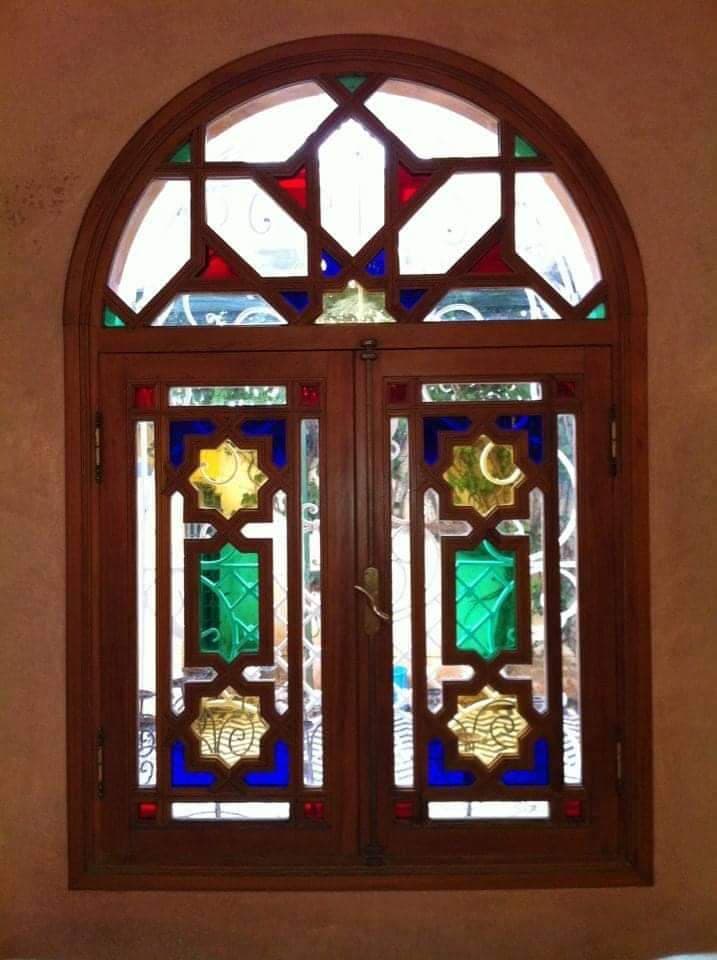
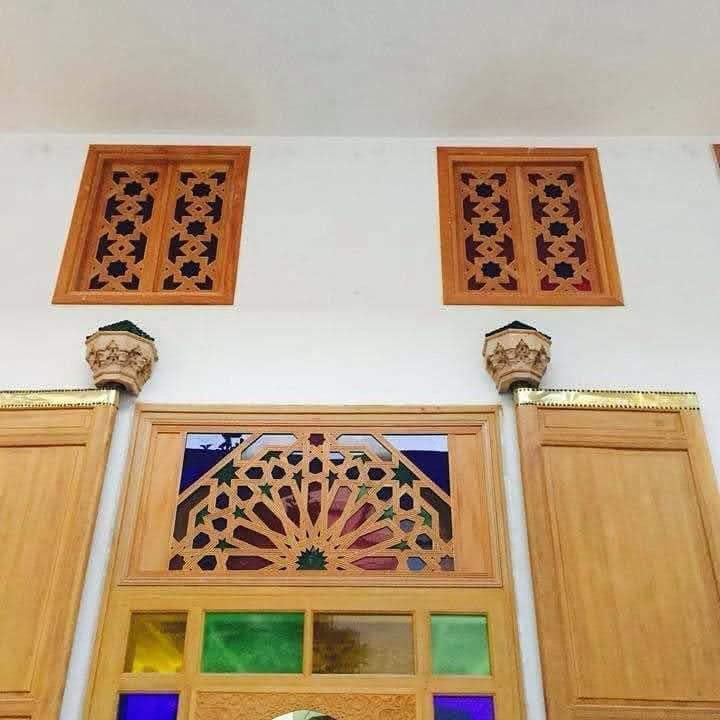
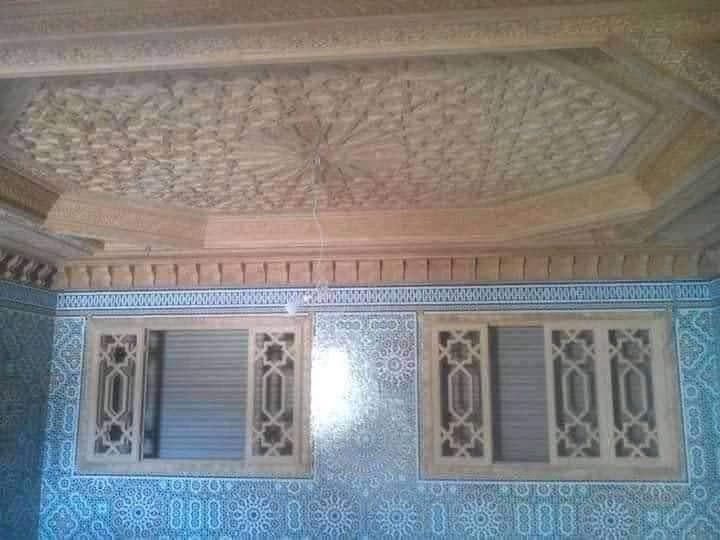
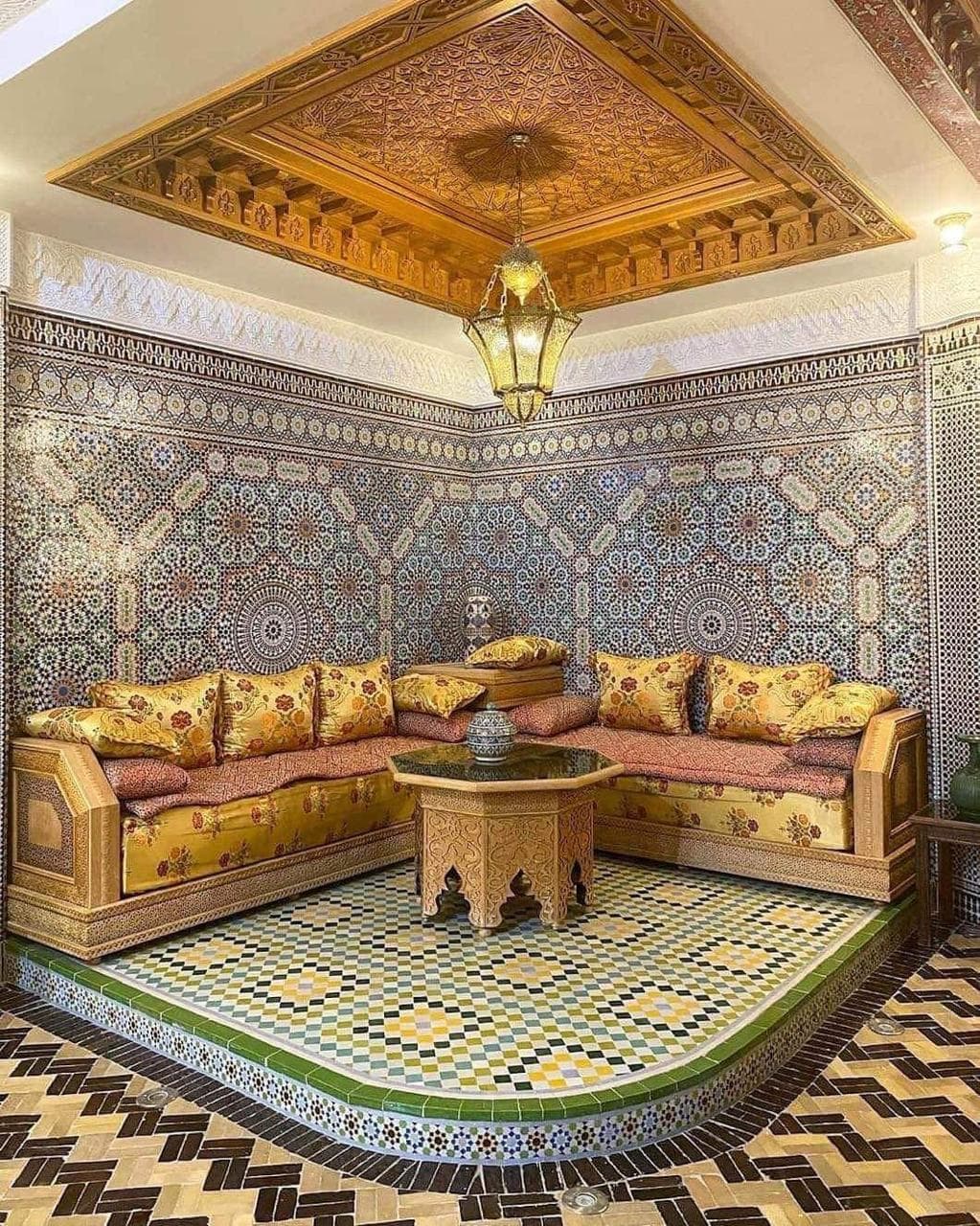
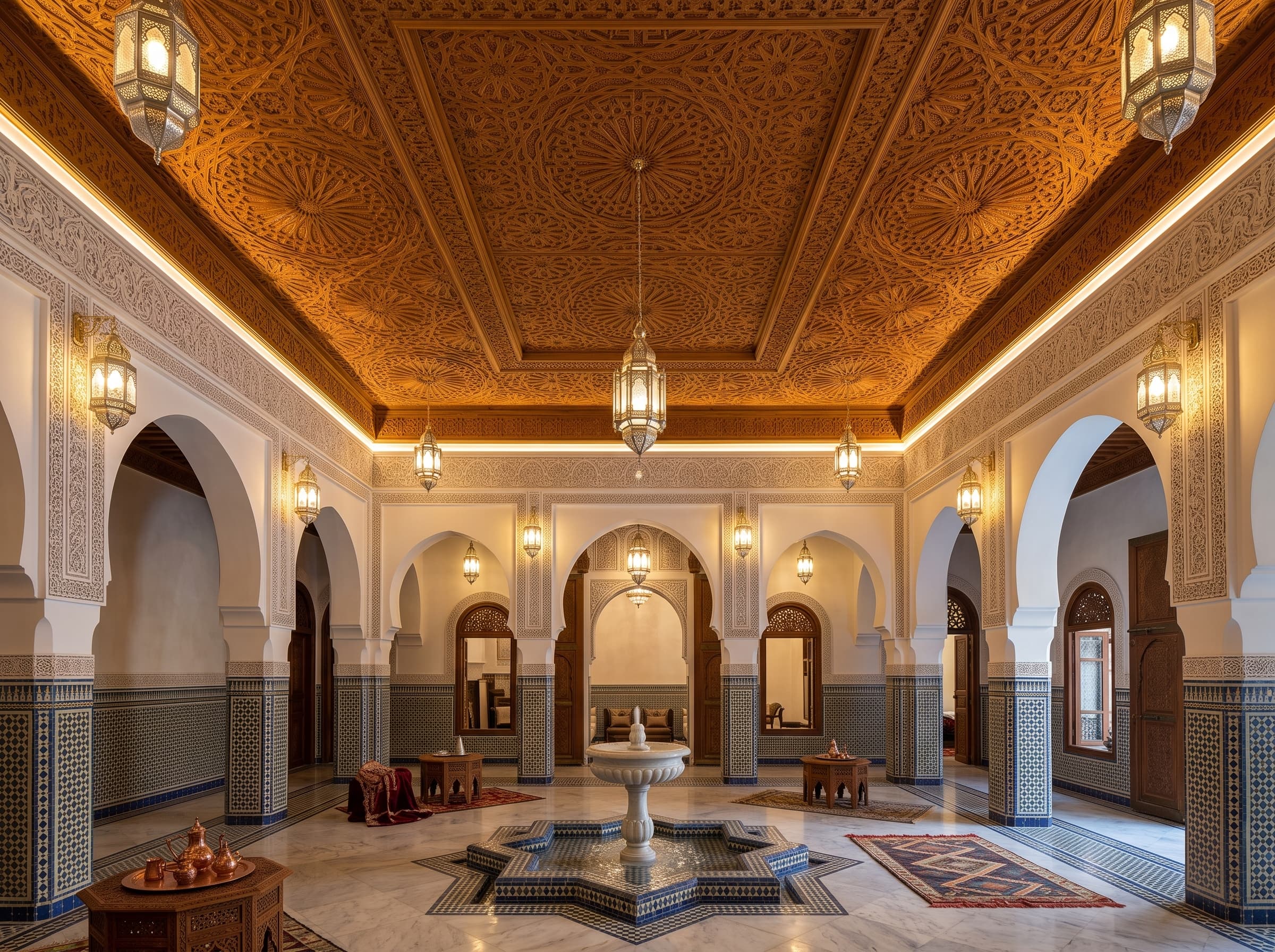
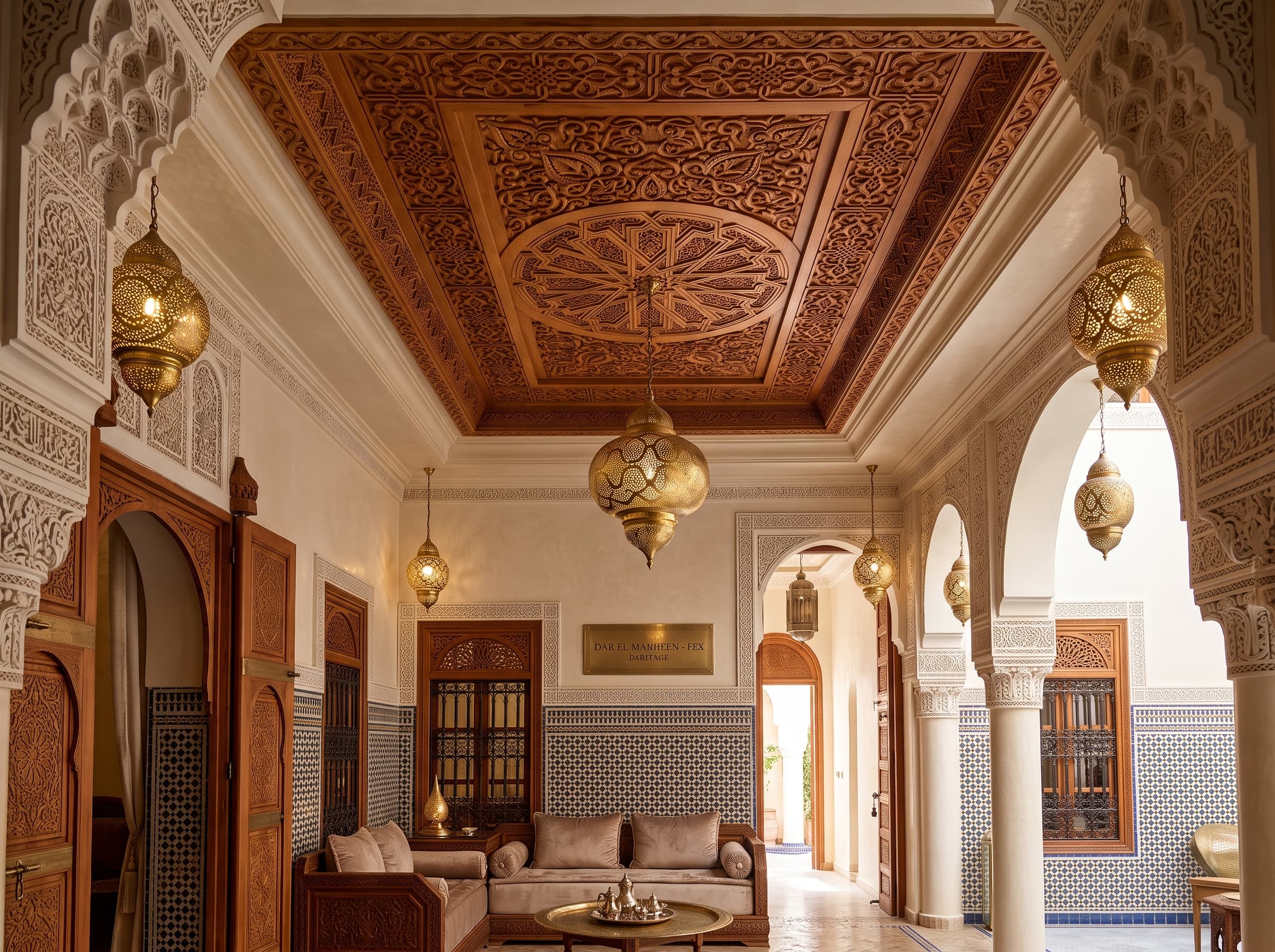
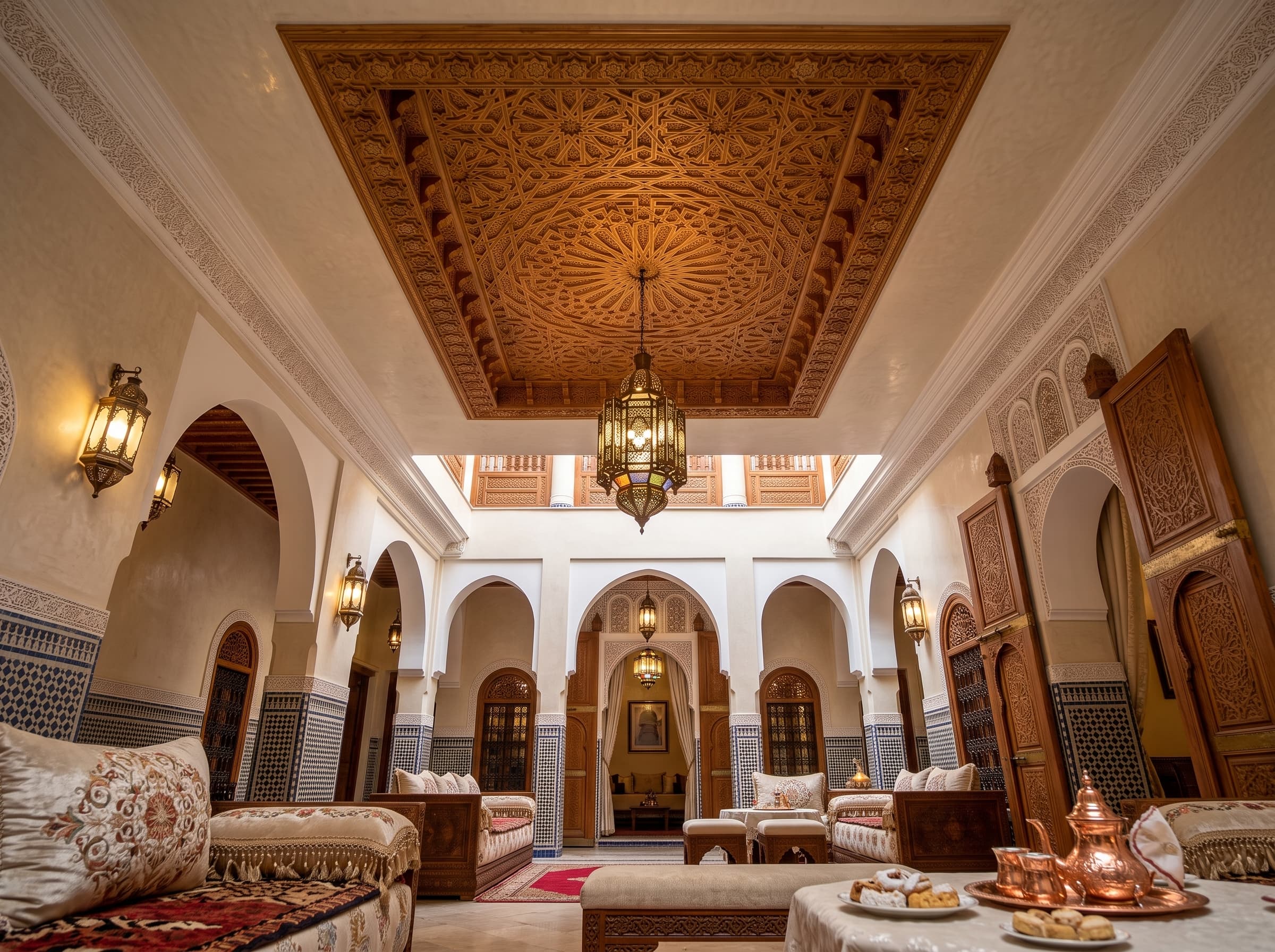
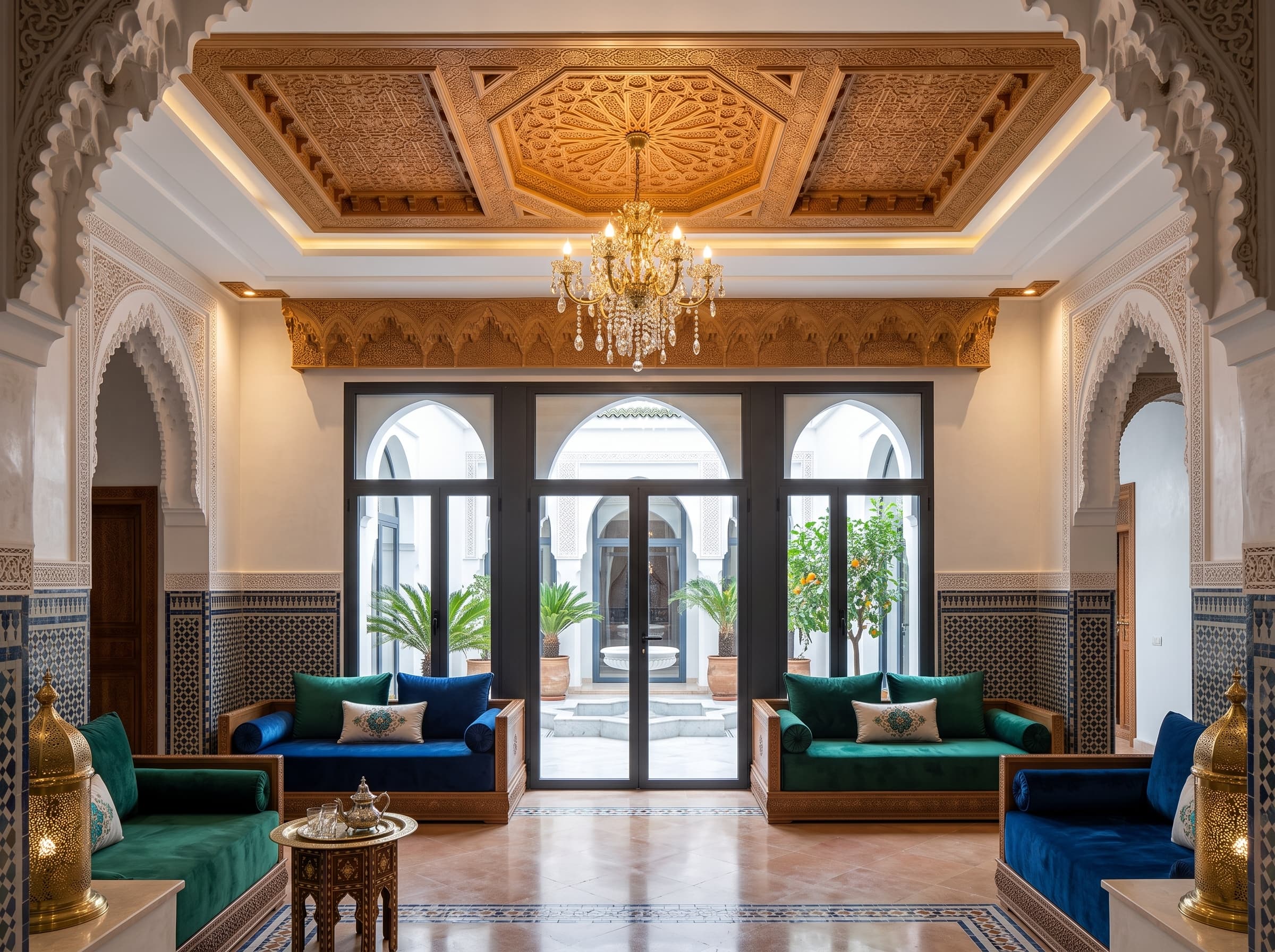
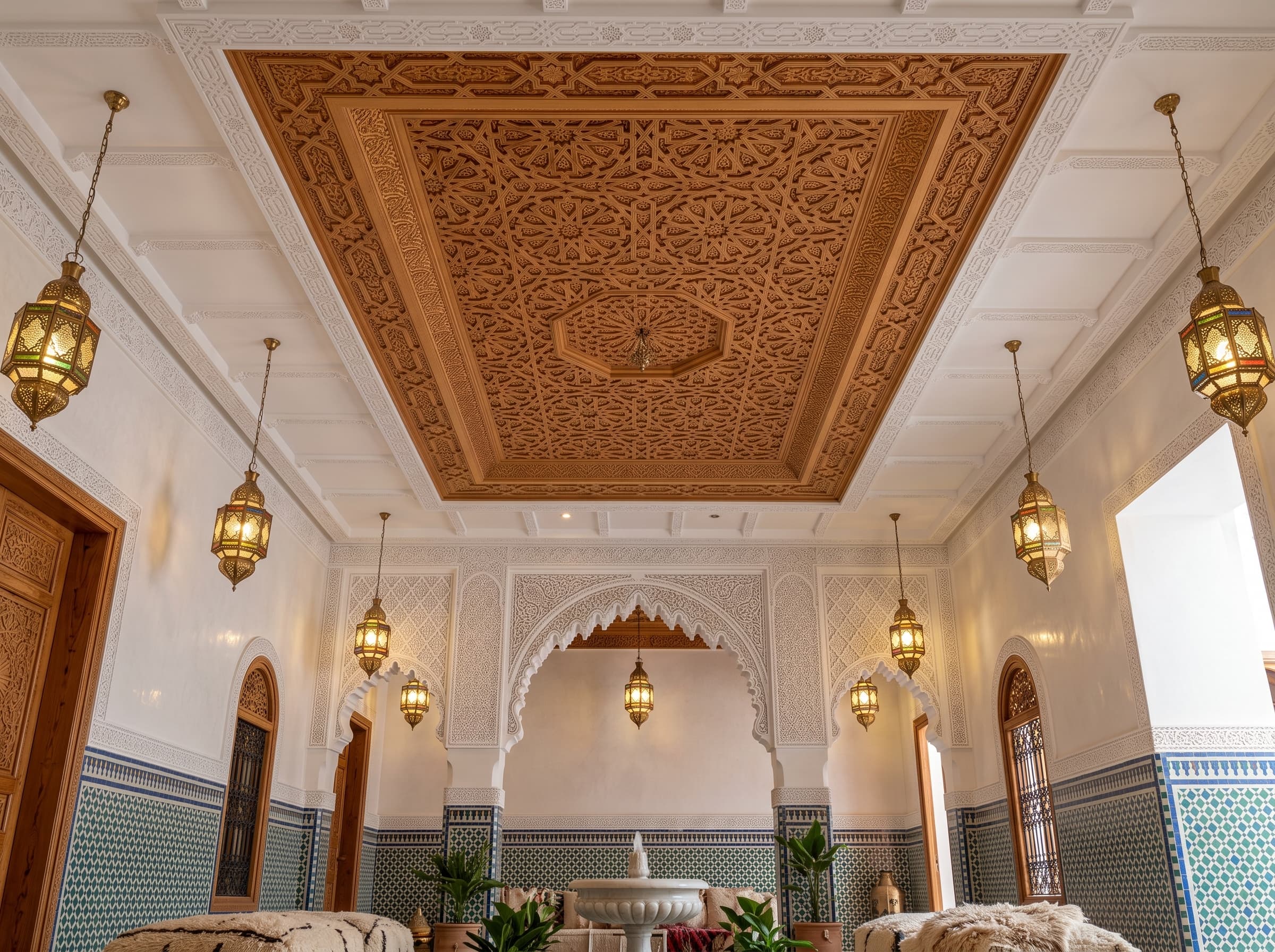
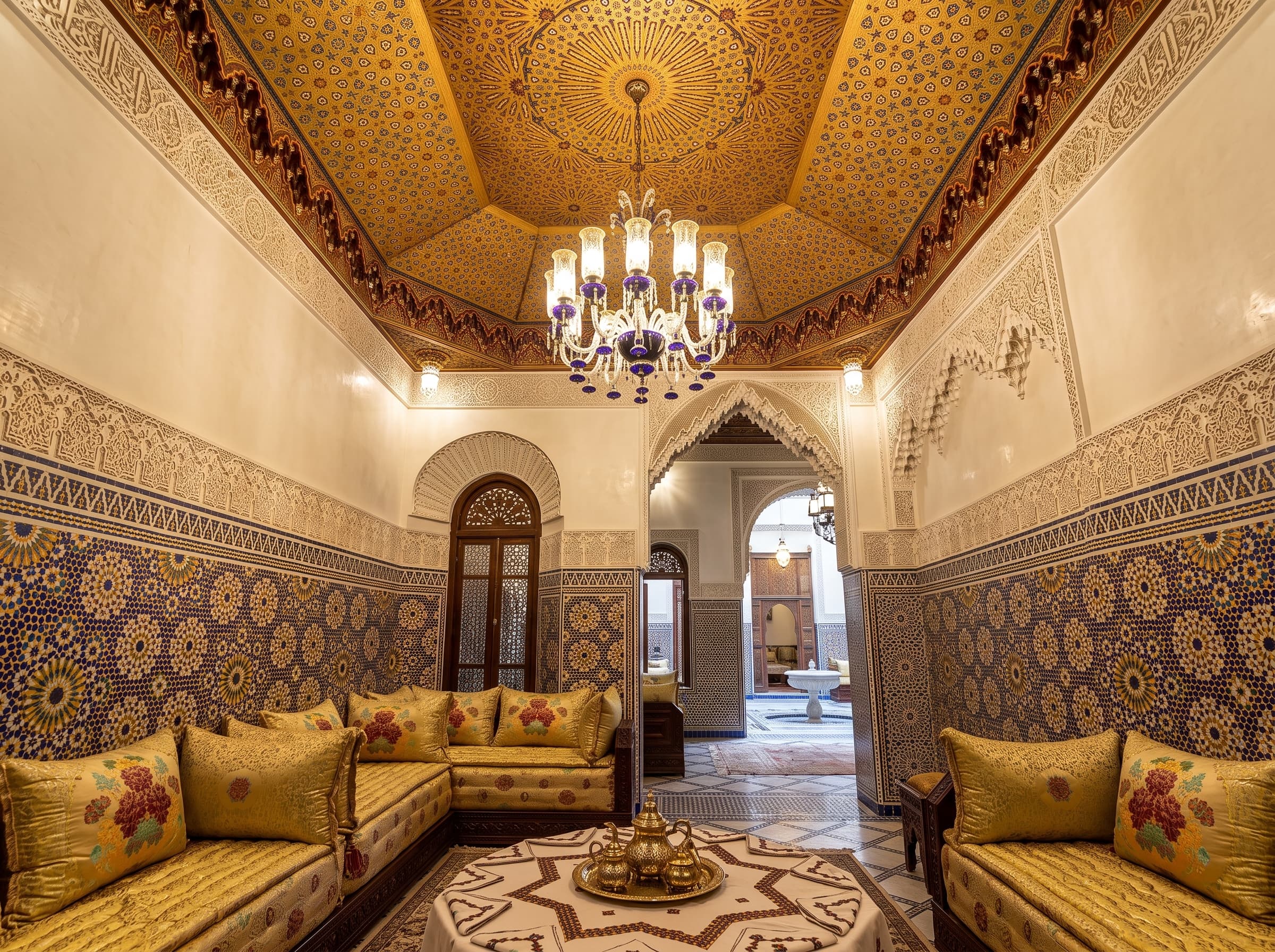
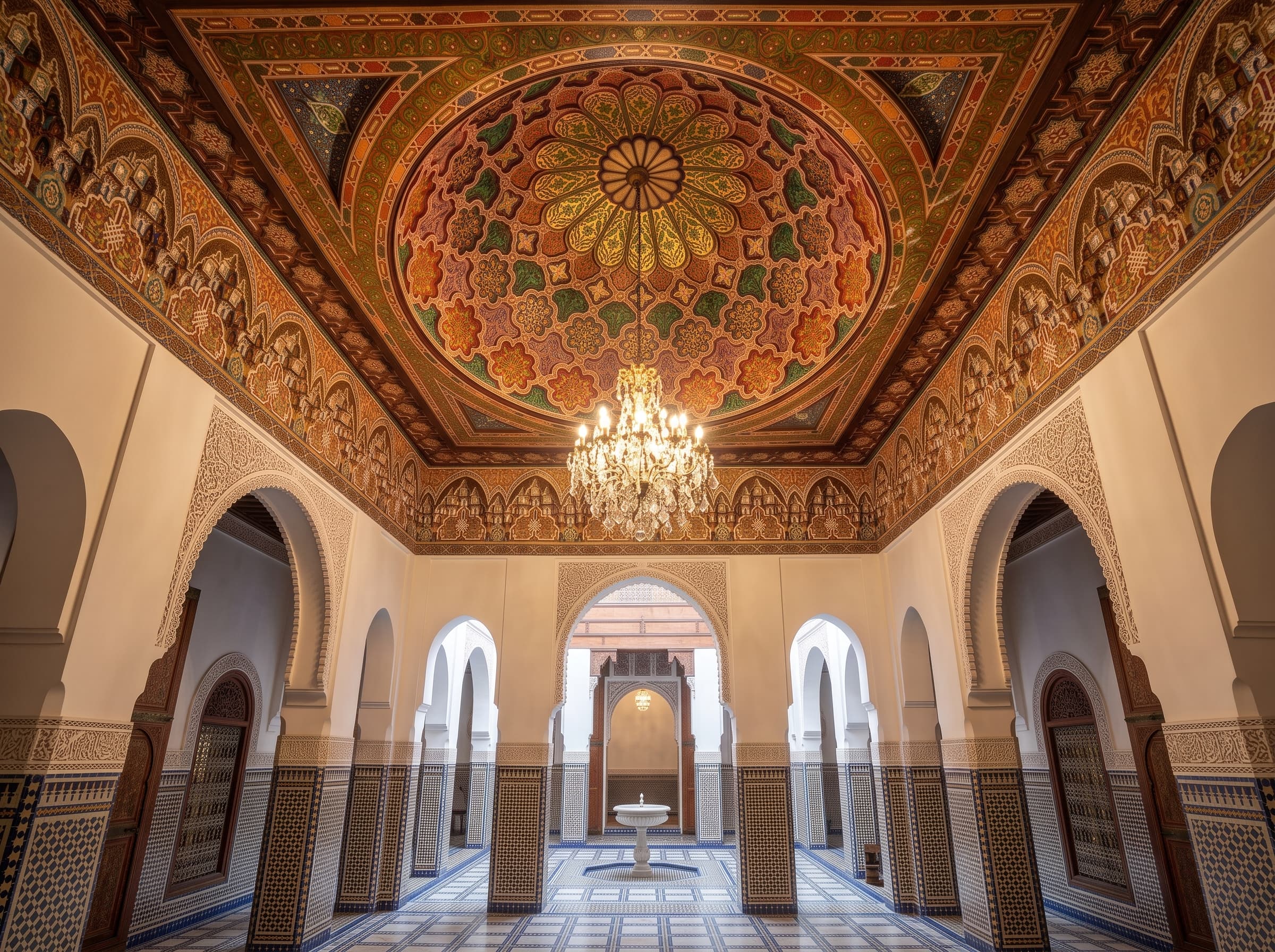
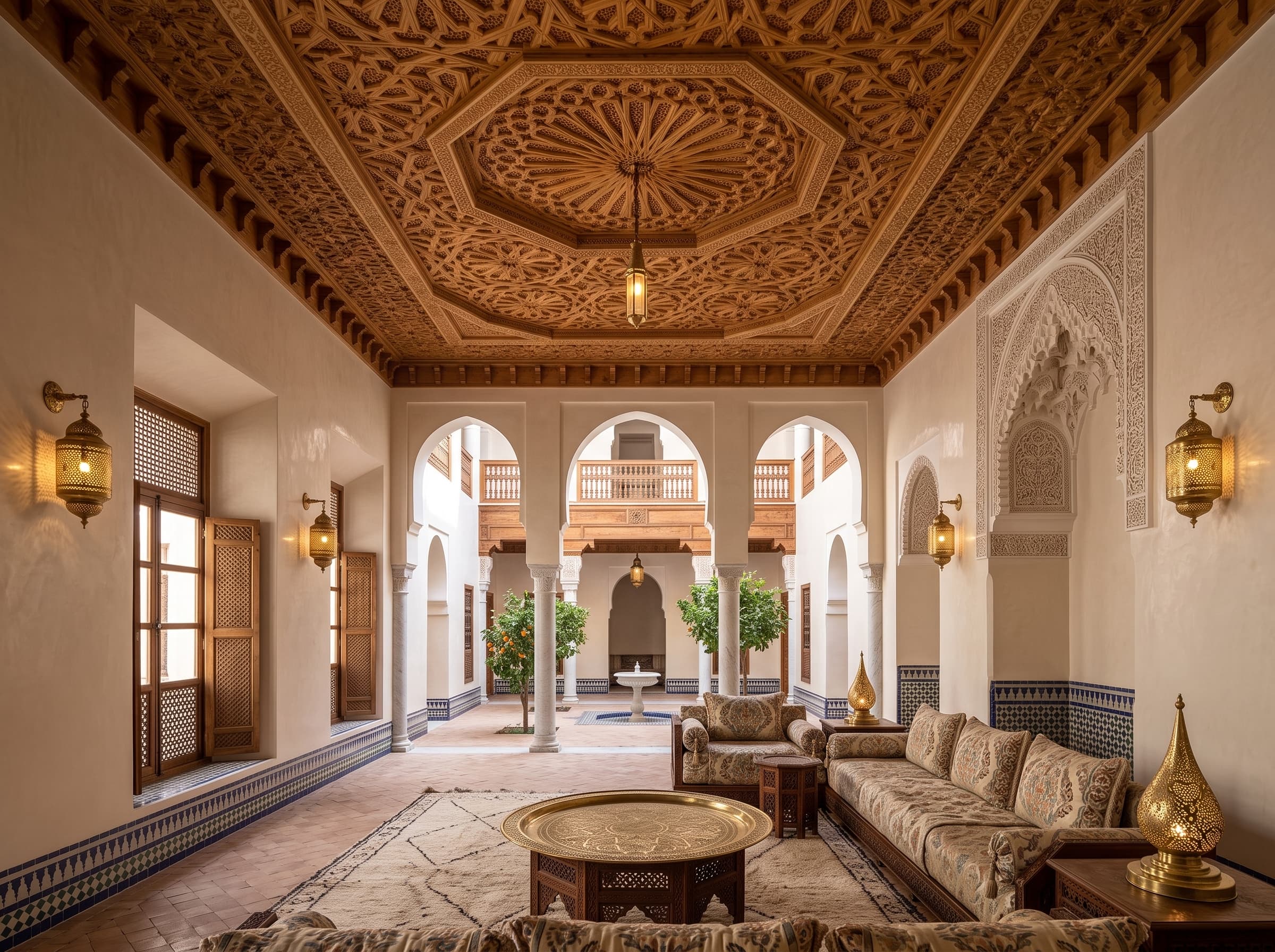
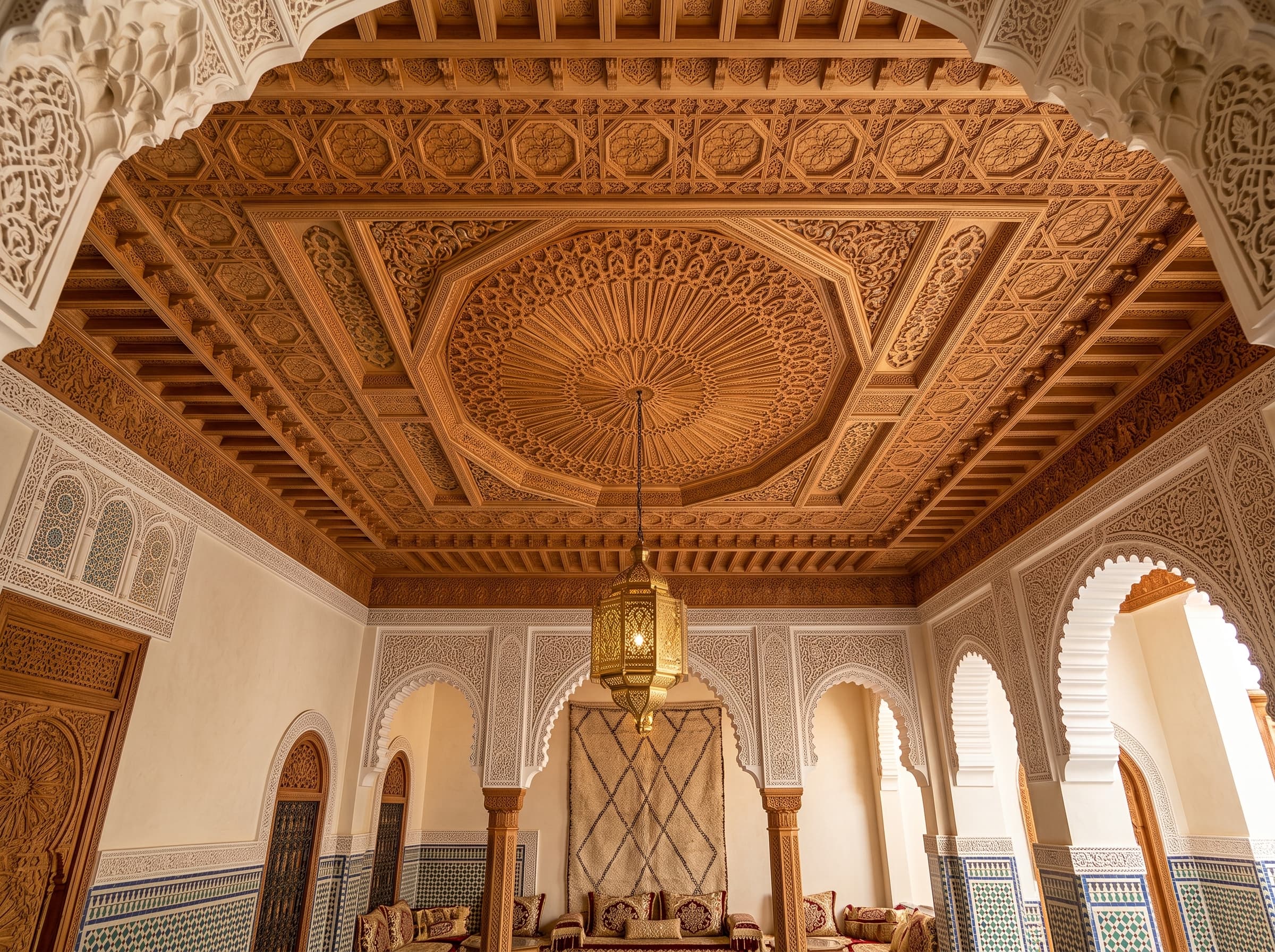
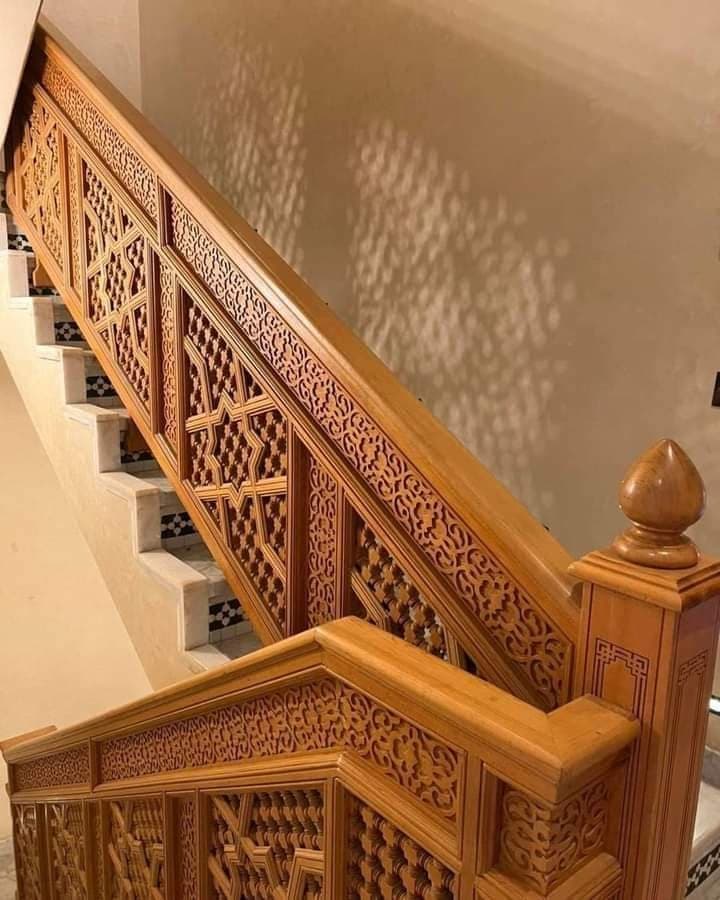
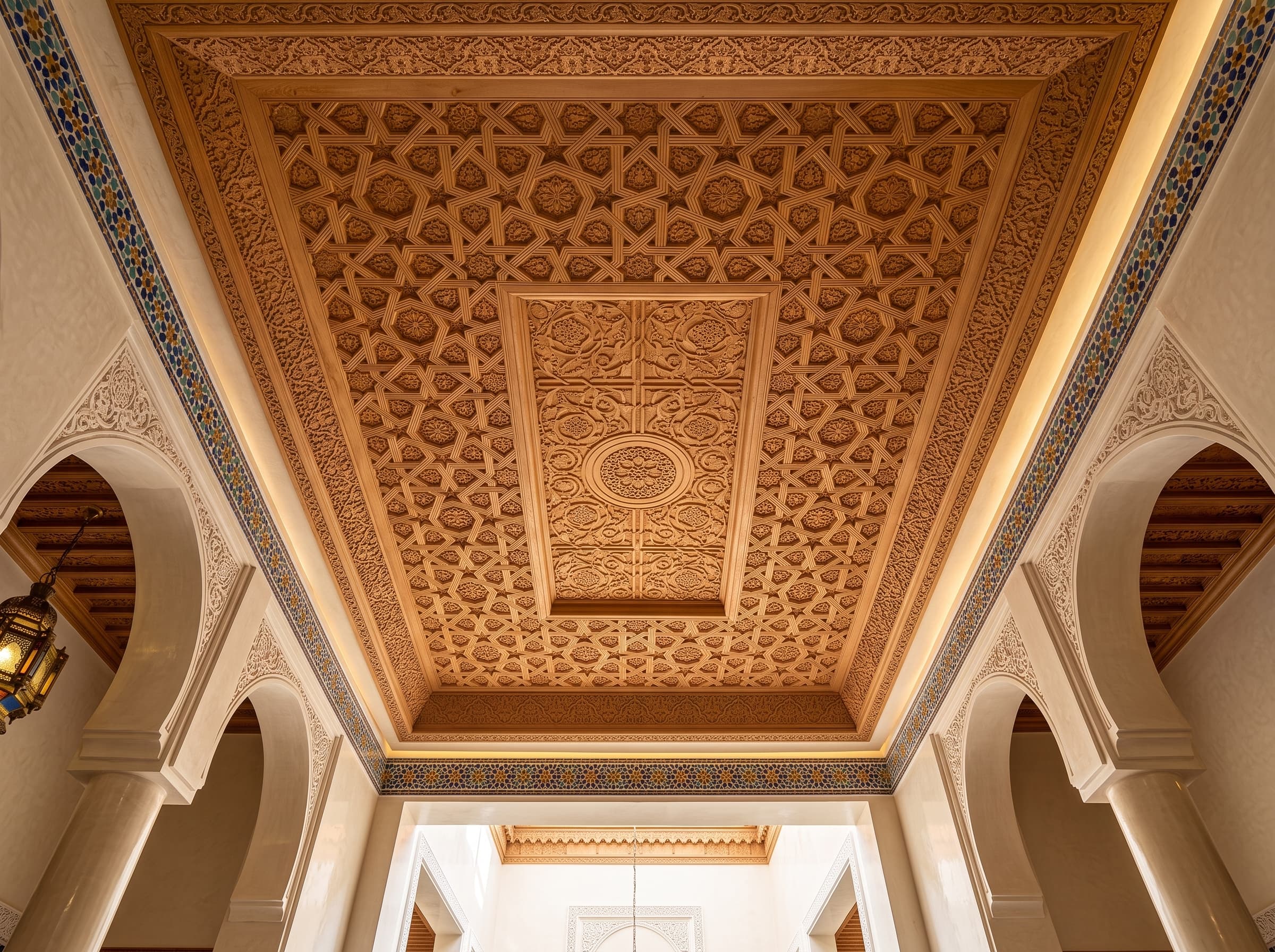
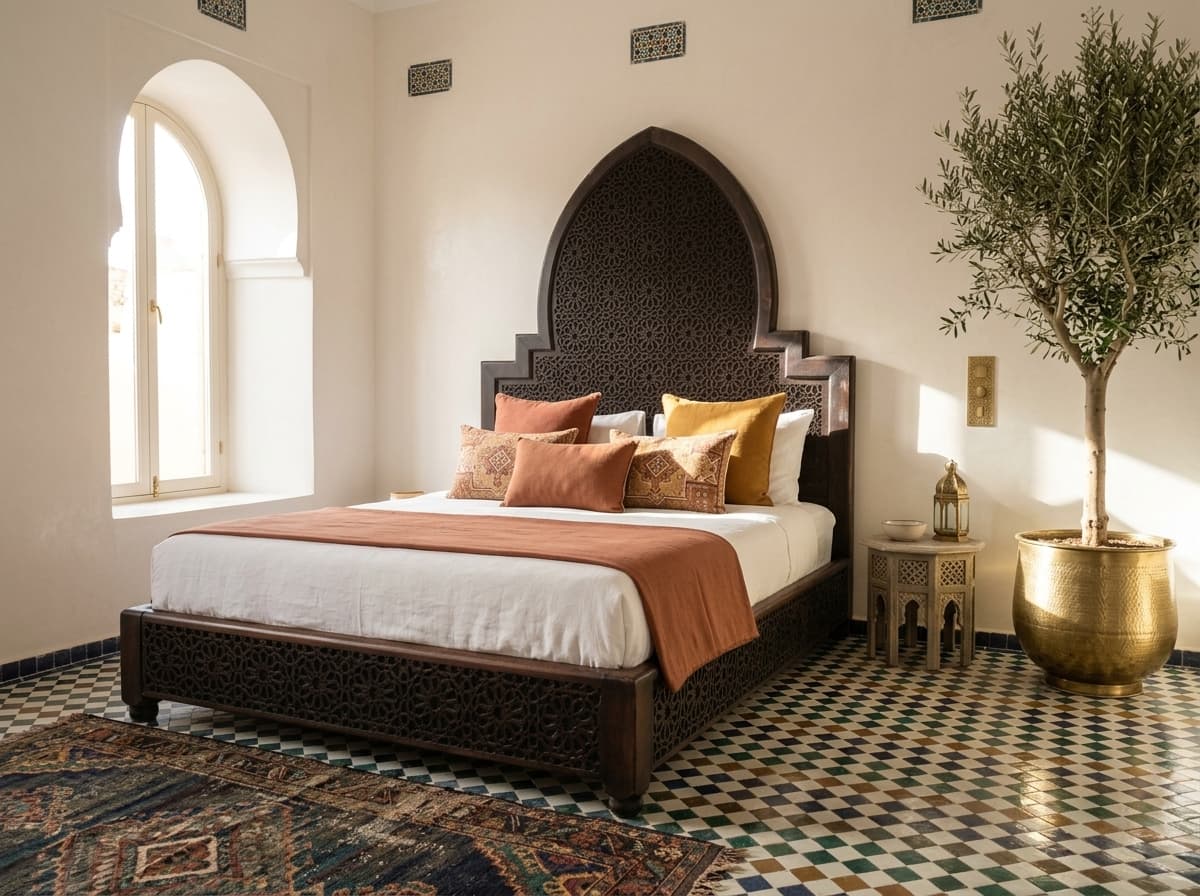
Completed projects in this timber
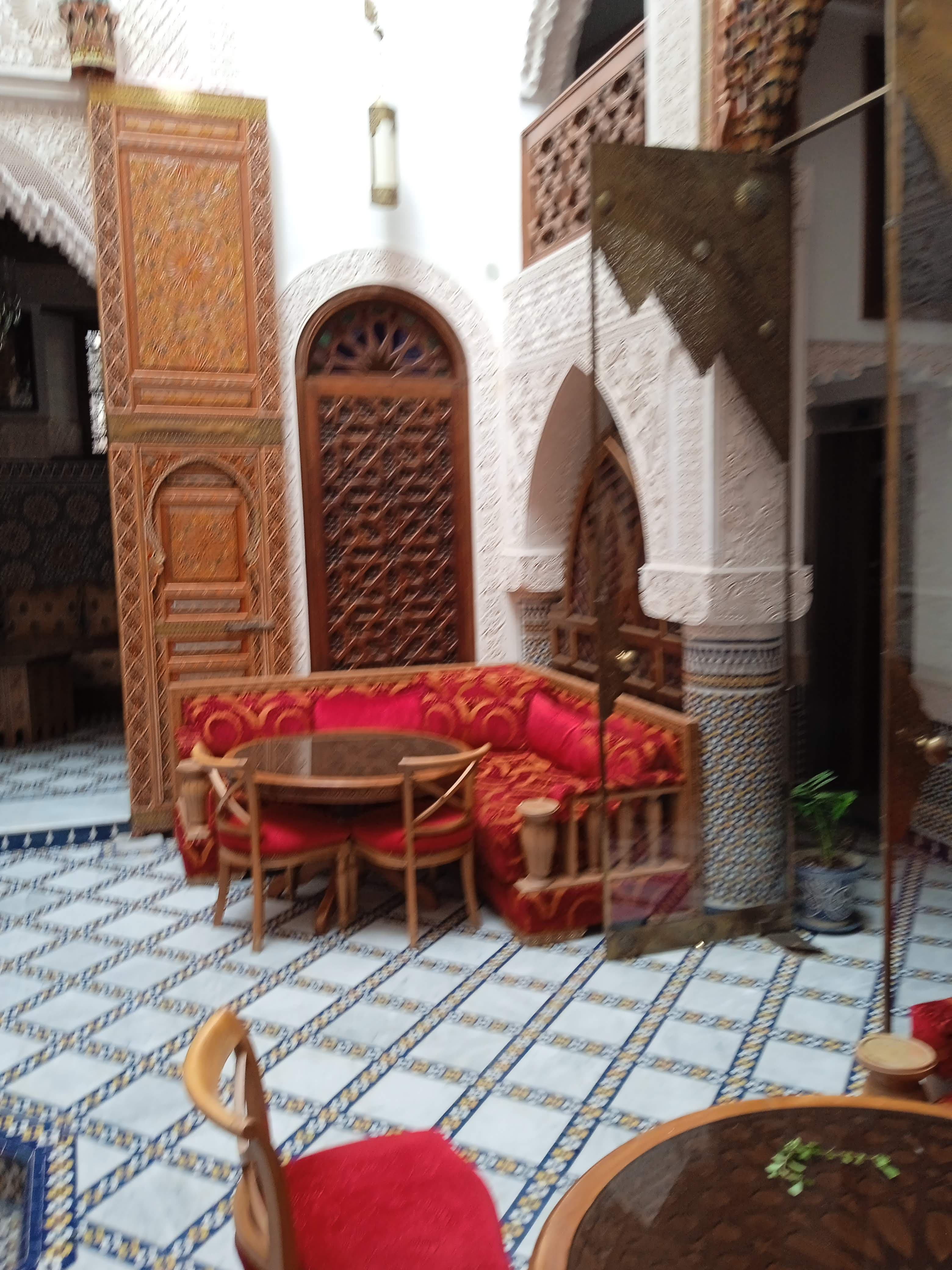
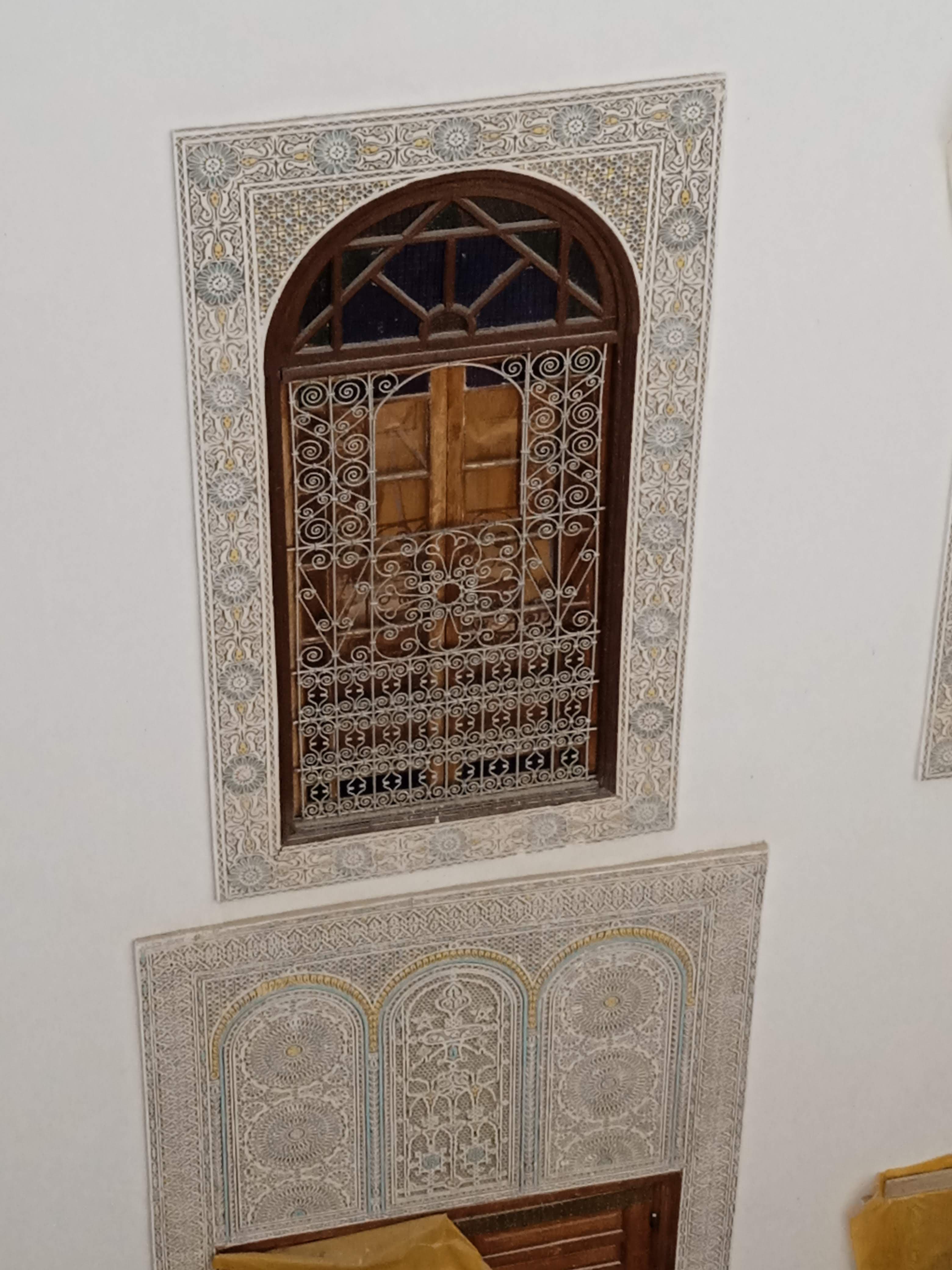
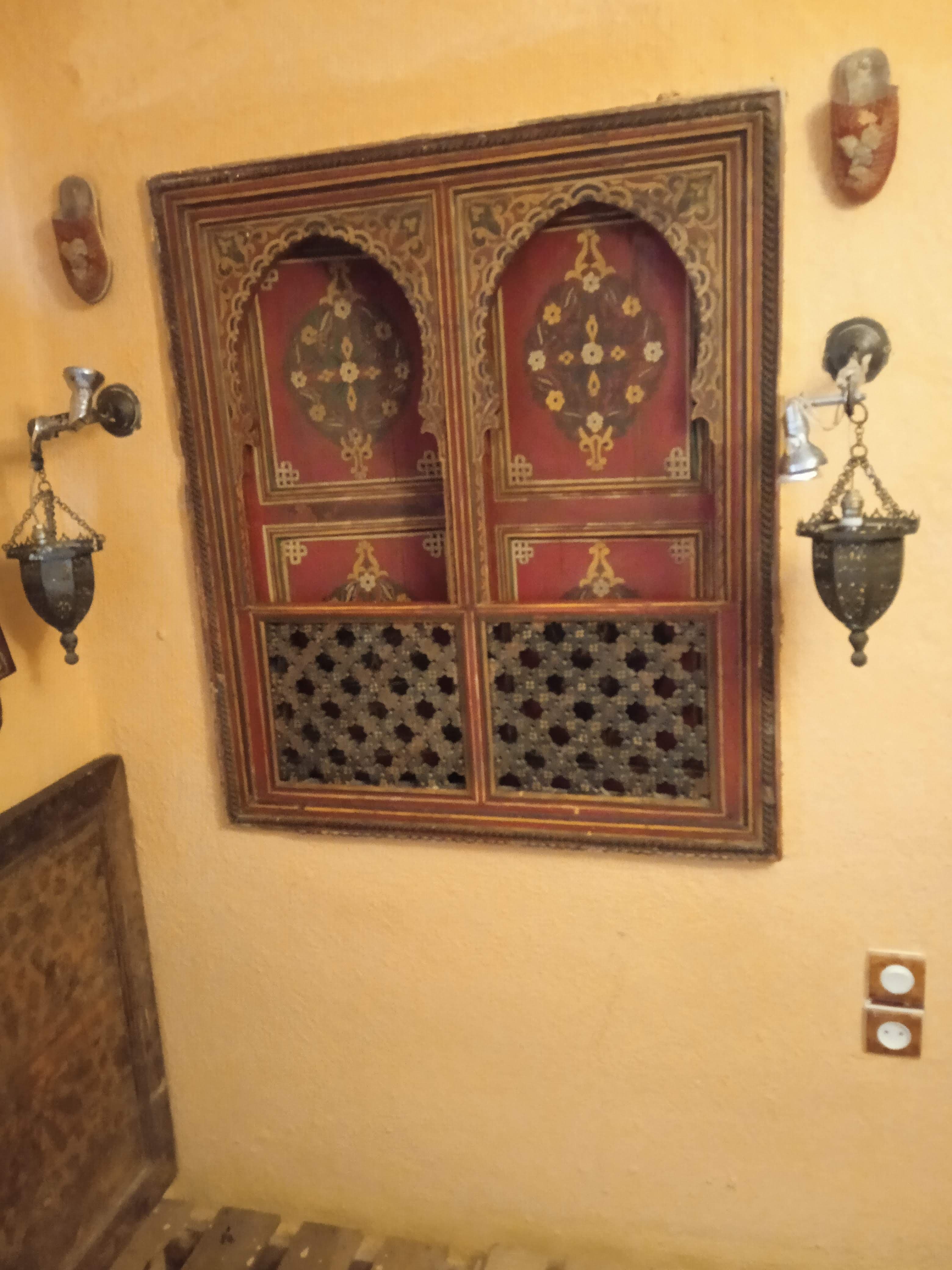
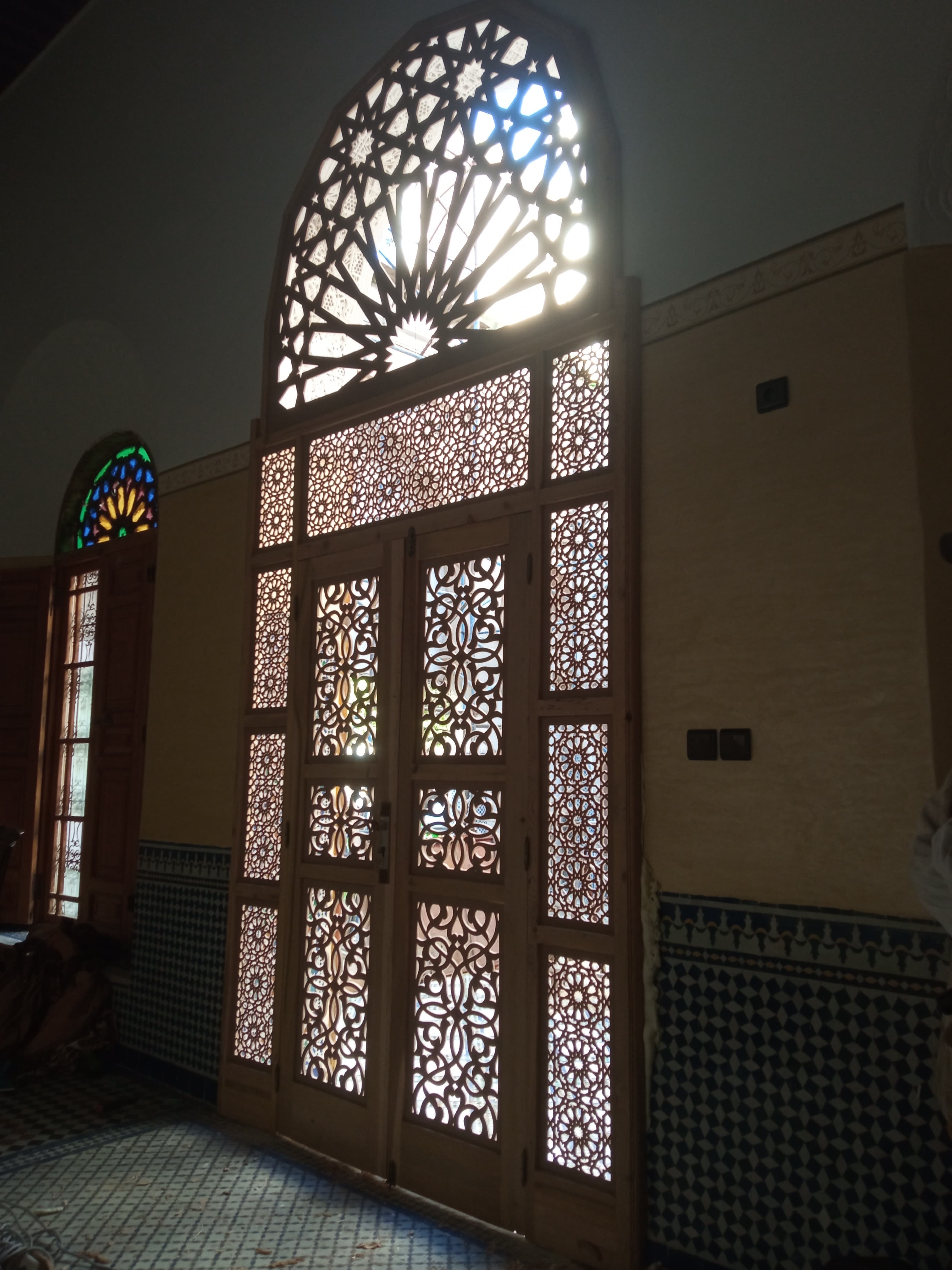
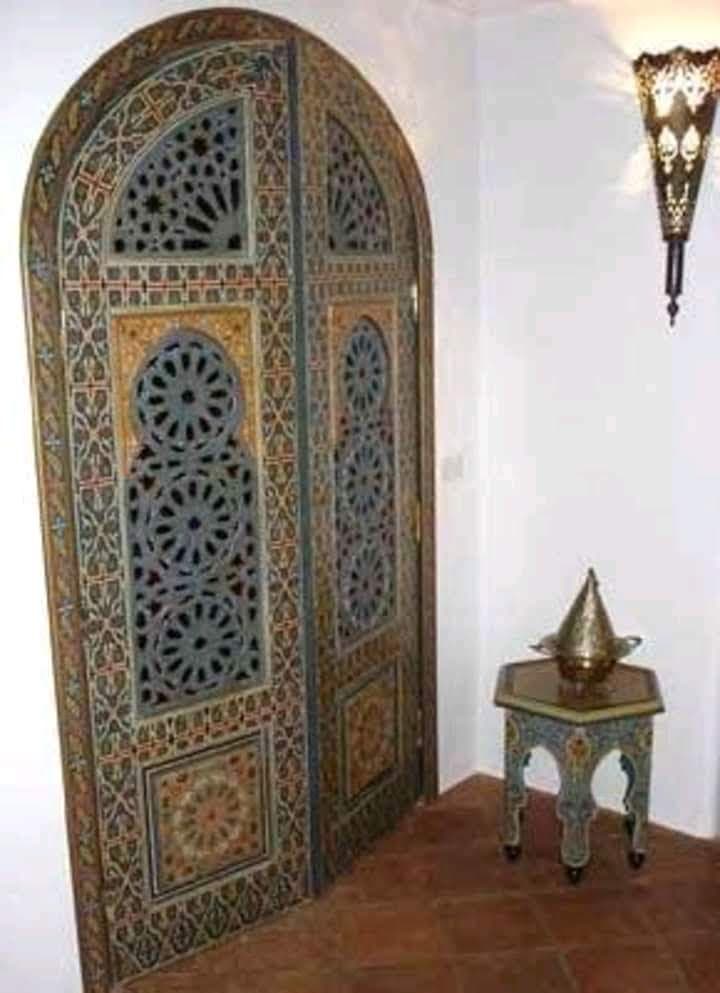
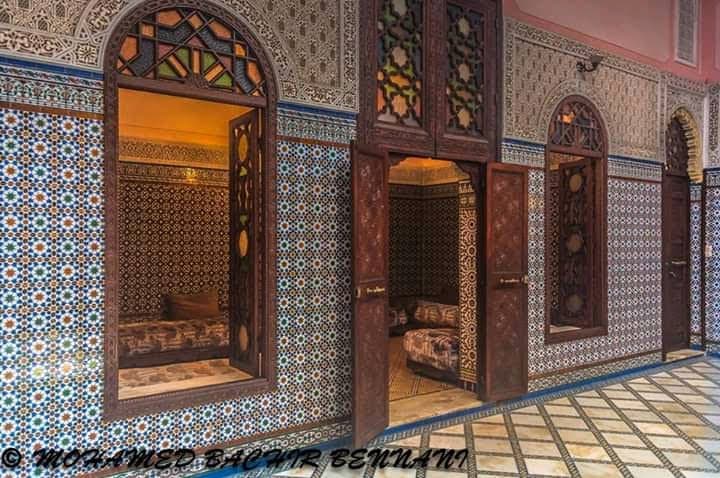
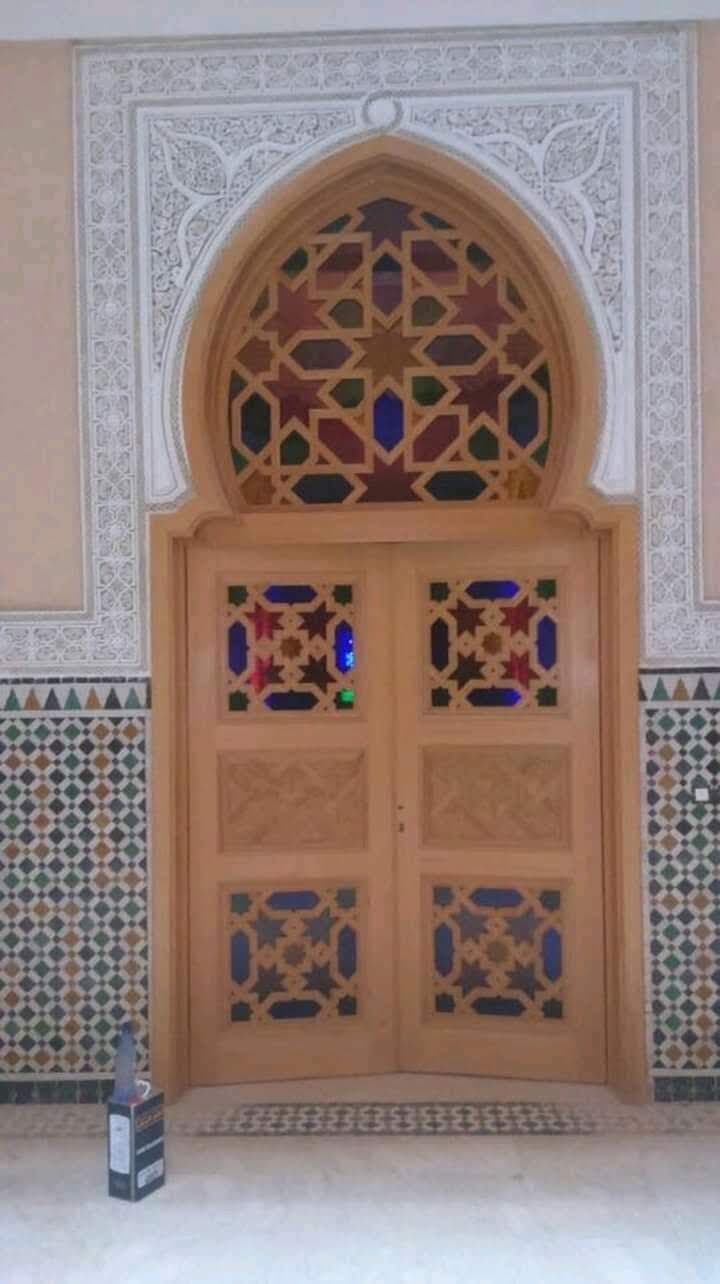
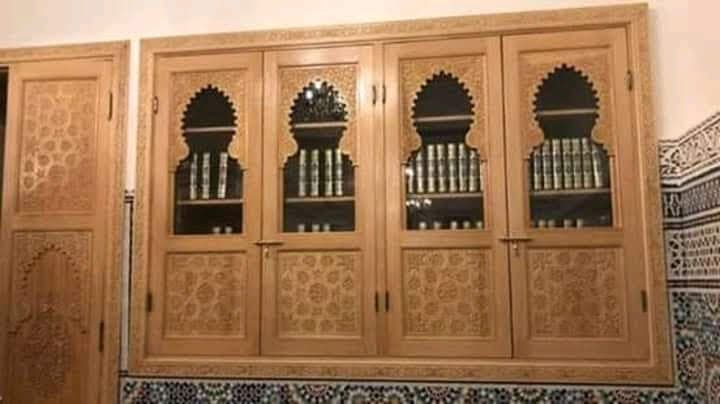
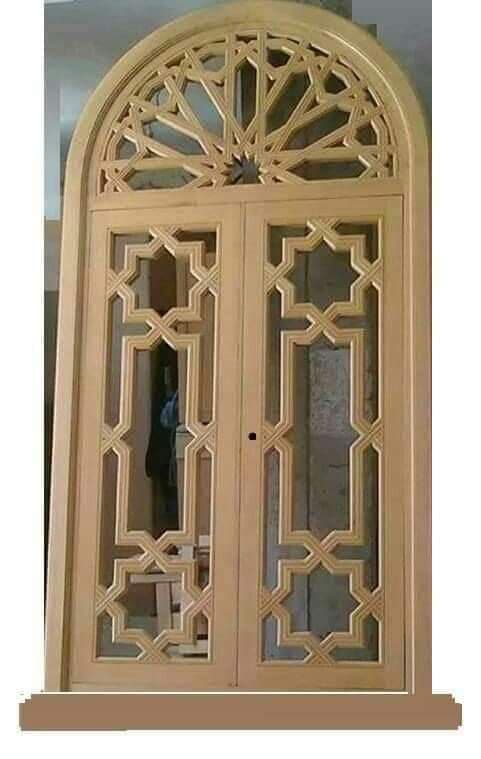
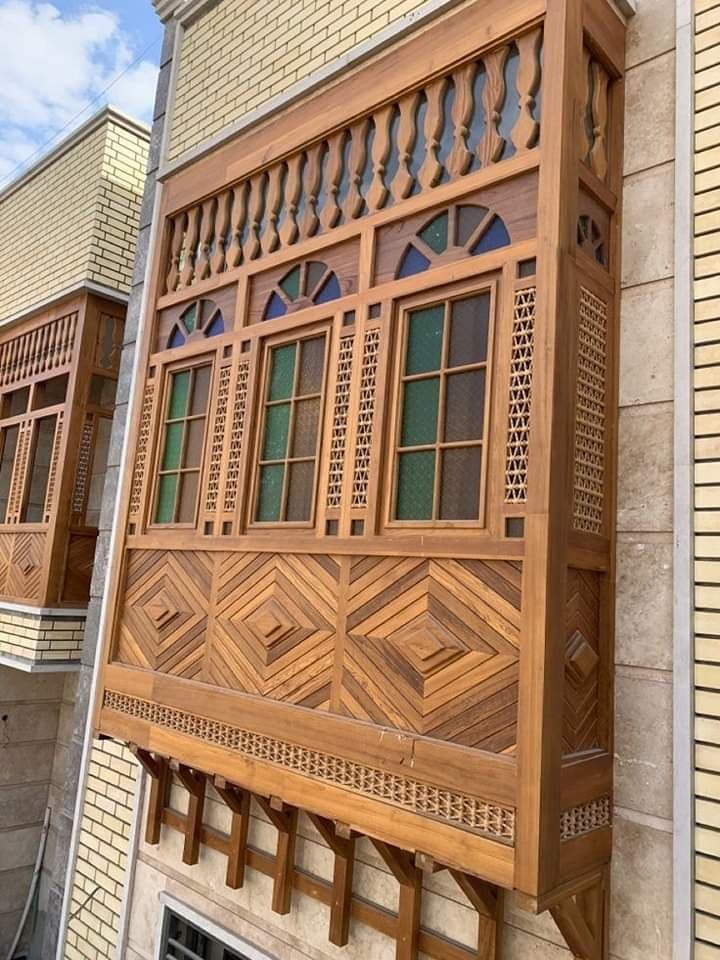
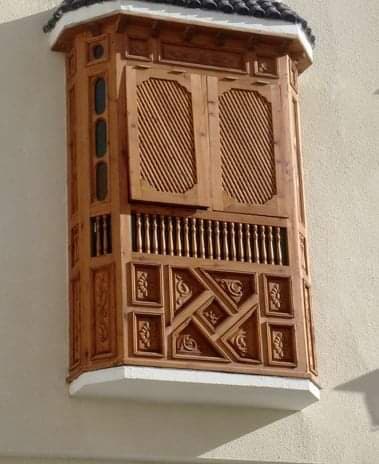
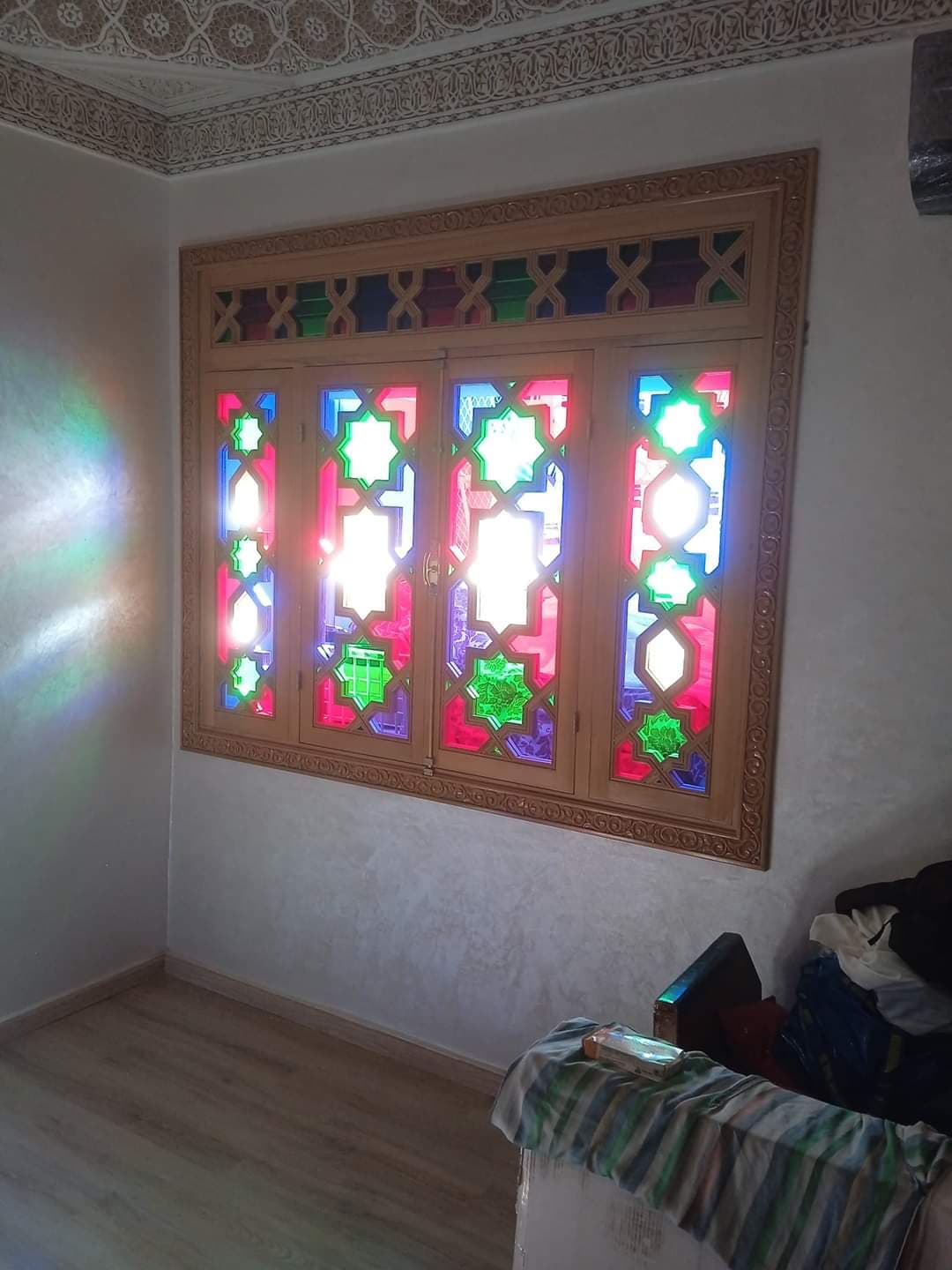
05 / INQUIRIES
Material questions
Provenance, finishing, and trade use — what architects ask before specifying Atlas timber.
Atelier Art de Fès, Fes Medina
Atlas cedar combines aromatic oils, insect resistance, and carving stability—ideal for ceilings, screens, and majlis frames that travel internationally from the Fes atelier without warping in varied climates.
Have a question about your project? Speak to a Maâlem